Search
Detection of pneumonia-causing respiratory viruses in the nasopharynx of asymptomatic children has made their actual contribution to pneumonia unclear. We compared nasopharyngeal viral density between children with and without pneumonia to understand if viral density could be used to diagnose pneumonia.
BK polyomavirus infection in transplanted kidneys that leads to BK virus–associated nephropathy (BKVAN) is an important cause of allograft loss and has limited treatment options. Recent data suggest that BK viremia affects approximately 10% of people within the first 12 months following kidney transplantation. Among recipients with BKVAN, the overall risk of allograft loss is substantially increased, estimated to be 50% within 5 years of diagnosis.
A summary of the literature regarding the use of adjunctive protein synthesis inhibitors for toxin suppression in the setting of S. aureus infections is presented

News headlines about the large number of life-threatening cases of the flu in Western Australia this winter have been hard to miss - find out what you can do to protect your family.
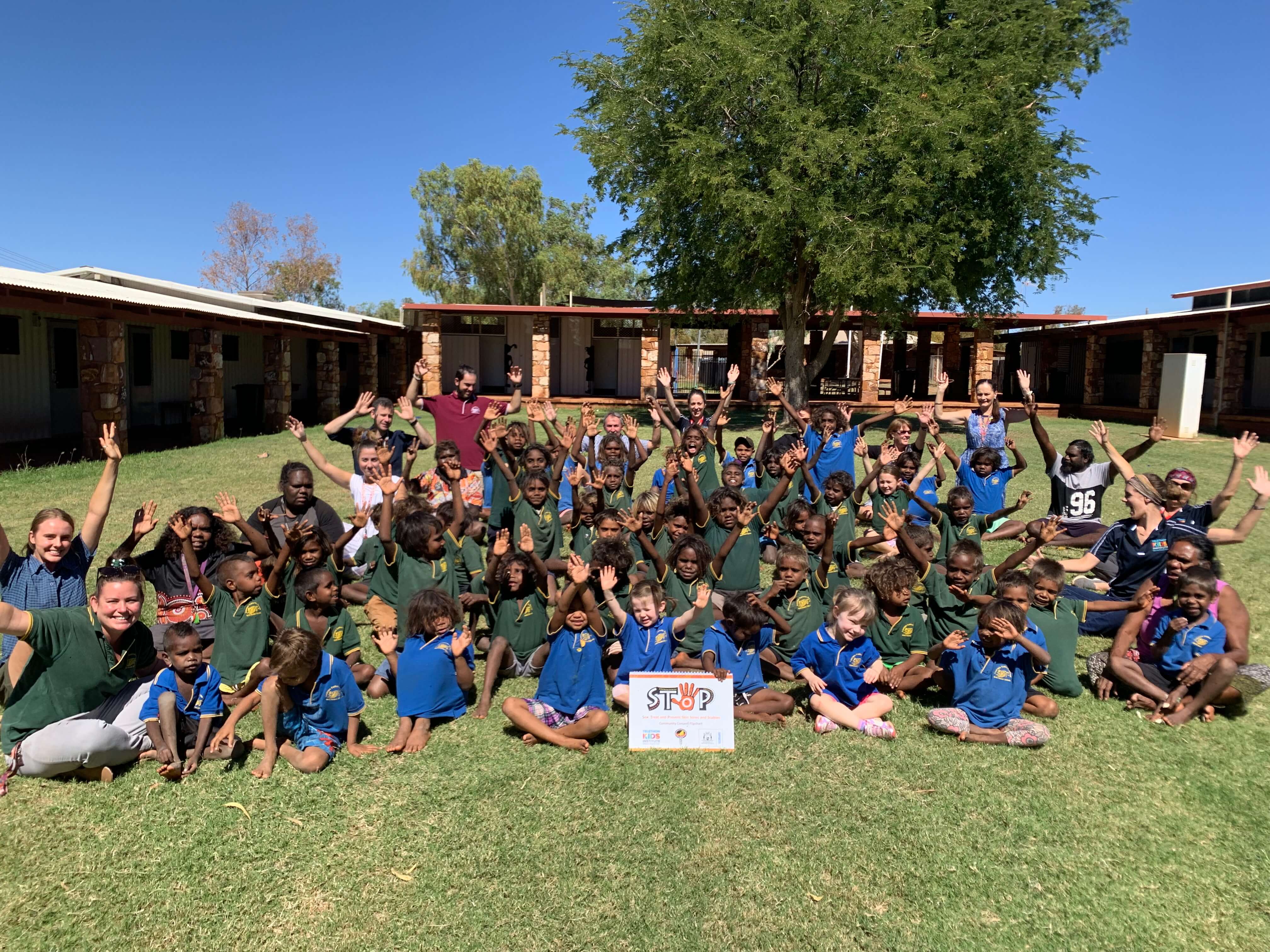
Aboriginal community members throughout the Kimberley will take a lead role in driving healthy skin messages within their own communities thanks to a major funding boost to The Kids Research Institute Australia’s SToP Trial.

A new partnership between The Kids Research Institute Australia, Dr George Sim and St John of God Murdoch Hospital will offer essential surgery at no cost for a group of Aboriginal children suffering severe ear infections.

Perth parents are underestimating the serious consequences of the flu, with only 19 per cent of children under five years of age currently immunized against the virus ahead of the peak winter flu season.

The Kids researchers are pioneering an exciting new approach to clinical trials, which aims to fast-track the best treatments for people with rare and complex diseases.

In 2017, a steep rise in cases of meningococcal disease caused by the W strain sparked a wave of concern for parents in Western Australia.

Researchers have developed the first National Healthy Skin Guideline to address record rates of skin infections in Australia’s Indigenous communities.