
In this review, we describe both the mechanisms and the therapeutic evidence from preclinical and clinical studies exploring the role of prebiotics i…
Maternal resistant starch consumption was differentially associated with infant phenotypes, with reduced risk of infant wheeze, but increased risk of…
This study is the first to demonstrate an association between greater direct UV light exposures in early infancy with lower incidence of eczema
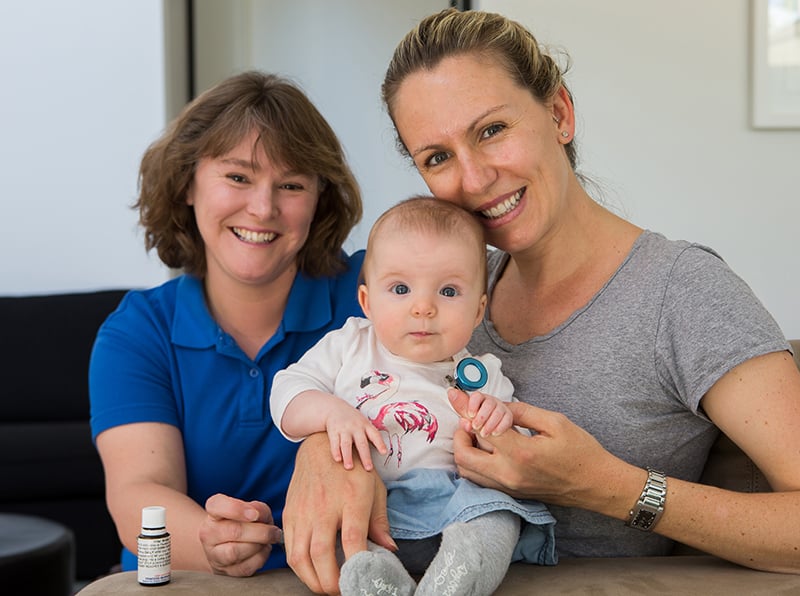
A study led by The Kids Research Institute Australia has suggested vitamin D supplementation in babies is no match for sunlight when it comes to prev…

Once upon a time it was infectious diseases like polio, measles or tuberculosis that most worried parents. With these threats now largely under contr…
Maternal supplementation with 900 mg of ω-3 LCPUFA did not change the progression of IgE-mediated allergic disease symptoms or sensitization
In this review we examine maternal and infant dietary sources of prebiotics with a particular focus on non-digestible oligosaccharides, which undergo…
When an infant is developmentally ready, a variety of nutritious foods should be introduced including the ‘more allergenic’ foods during infancy
As the prevalence of allergic disease dramatically rises worldwide, prevention strategies are increasingly being considered.
Increased maternal egg ingestion is associated with increased breastmilk ovalbumin, and markers of immune tolerance in infants