
The early years are critical for lifelong wellbeing, with transition to formal school a key period for development. For Indigenous children, this tra…
Remote-living Aboriginal children in Australia contend with higher rates of skin infections than non-Indigenous children. This work was embedded with…
Culturally safe healthcare approaches are important to improve outcomes of Indigenous people. Non-Indigenous clinicians are often ill-prepared to pro…
We aimed to synthesise global prevalence estimates of type 2 diabetes among Indigenous youth aged under 25 years, and examine age- and gender-specifi…
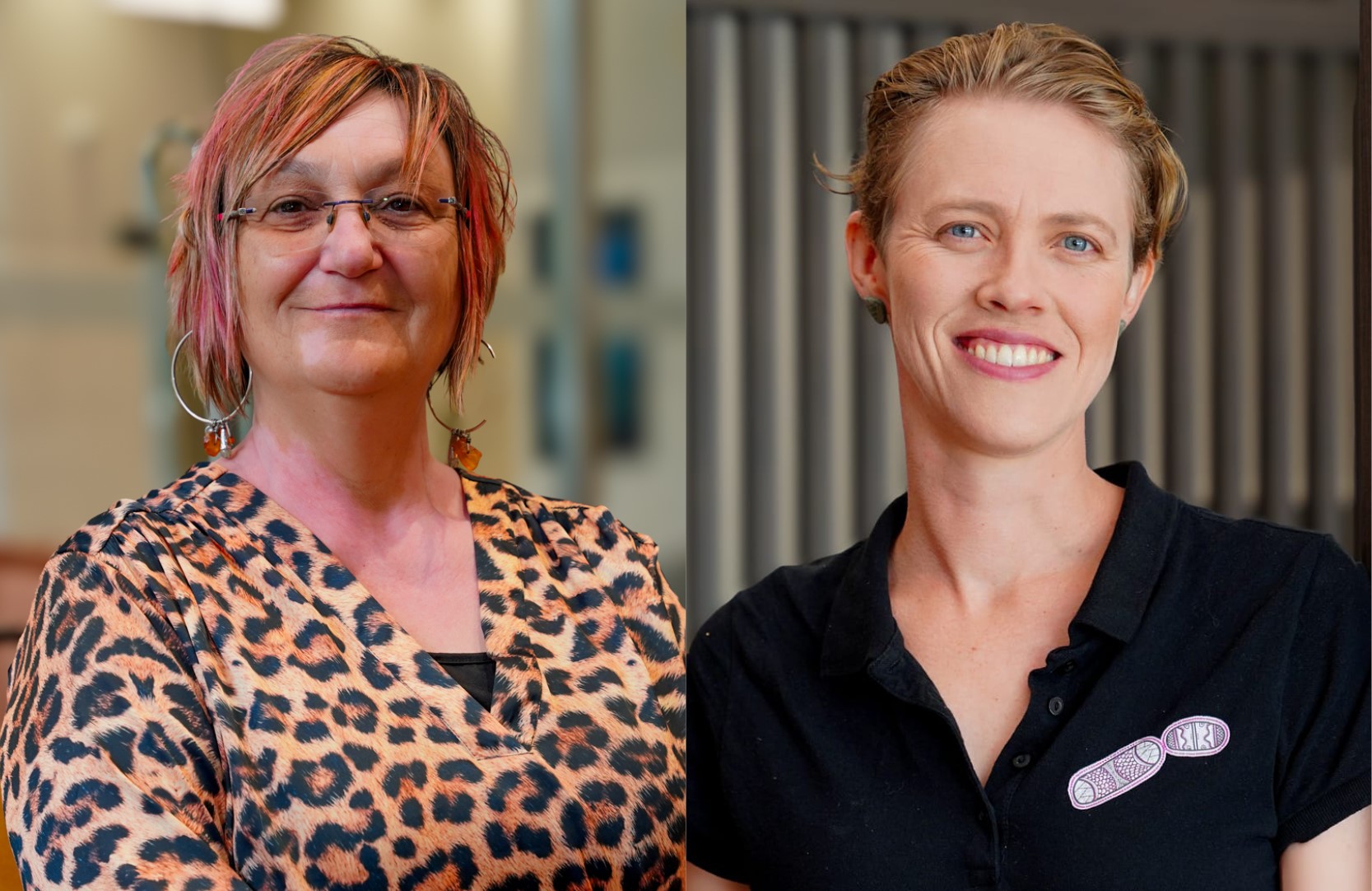
A group of 19 Aboriginal women from South Australia, along with researchers from The Kids Research Institute Australia, have developed a culturally r…
Integrating First Nations knowledge systems and Western research methodologies recognizes the strength, experience, and insight of First Nations peop…
Although essential for overall health and wellbeing, little is known about skin health in urban-living Australian Aboriginal children. This co-design…
Indigenous peoples globally have incurred significant harm resulting from colonisation and the forced removal of children from their families, cultur…
Sepsis is a significant cause of mortality for children in Australia, particularly affecting young children, those with pre-existing health condition…
Due to the ongoing impact of colonisation, Aboriginal and Torres Strait Islander people live with a greater burden of cardiovascular disease (CVD) th…