

Eight The Kids Research Institute Australia researchers are among those who have received grant funding from the Telethon-Perth Children’s Hospital R…
Antenatal group education is effective in supporting breastfeeding duration for rural women and should be a key priority for rural health service pro…
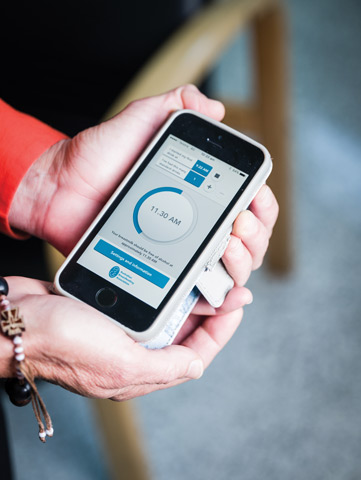
A new phone app developed by The Kids Research Institute Australia researcher Dr Roslyn Giglia is helping mothers change the way they approach alcoho…
Our findings are in line with a number of epidemiological studies which show a positive association between breastfeeding and OM in early childhood
Early life feeding practices have an influence on motor development outcomes into late childhood and adolescence independent of sociodemographic fact…
Australian Breastfeeding Association partnership with a breastfeeding researcher to develop an education resource for Australian women on drinking in…
An evaluation planning approach for mHealth interventions that could be adapted for use by health promotion practitioners and researchers
Convenient, readily available and helping create a close and loving bond between baby and mother, breastfeeding is highly regarded for optimising inf…
As a child health researcher, I'm often asked by new Mums what's the best thing they can do for their babies? And my answer is always the same, breas…
The development of Milk Man followed a best practice approach, including the involvement of a multidisciplinary team and grounding in behavior change…