
Maternal supplementation with 900 mg of ω-3 LCPUFA did not change the progression of IgE-mediated allergic disease symptoms or sensitization
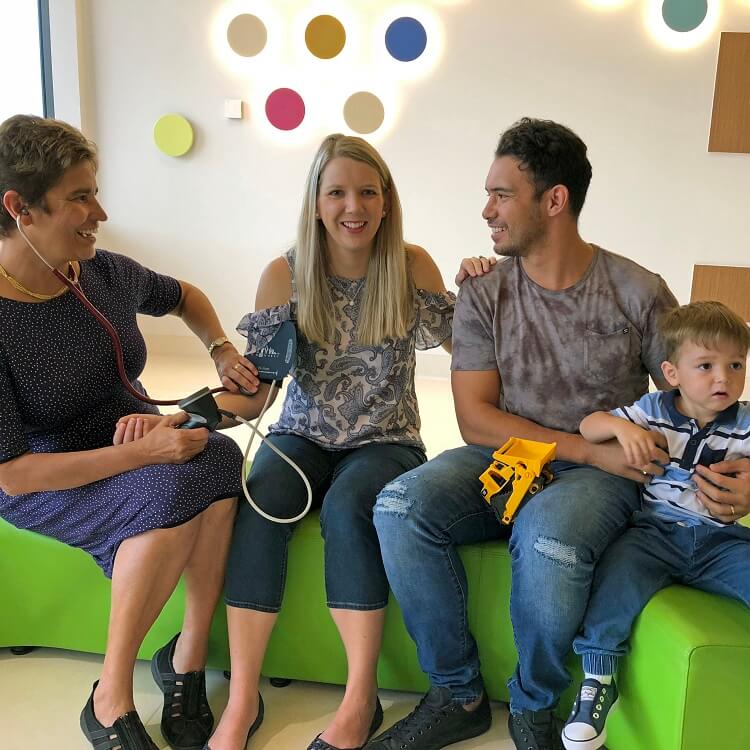
ORIGINS, a collaboration between The Kids and the Joondalup Health Campus, has achieved a major milestone – recruiting its 1000th family.
We therefore speculate that removal of wP from the vaccine schedule contributed to the observed rise in IgE-mediated food allergy among Australian in…
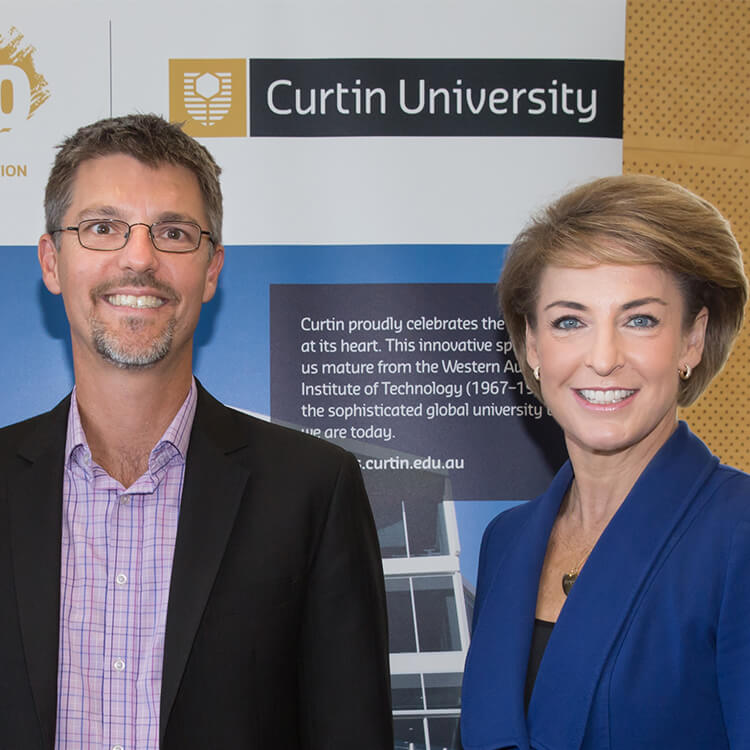
The Kids Research Institute Australia researchers have been awarded more than $8 million in prestigious project grants from the NHMRC.
Infant feeding in the first postnatal year of life has an important role in an infant's risk of developing food allergy

Eight The Kids Research Institute Australia researchers are among those who have received grant funding from the Telethon-Perth Children’s Hospital R…
When an infant is developmentally ready, a variety of nutritious foods should be introduced including the ‘more allergenic’ foods during infancy
This publication compares reaction profiles from food challenges and parent-reported reactions on accidental ingestion, and assess predictors of seve…
Increased maternal egg ingestion is associated with increased breastmilk ovalbumin, and markers of immune tolerance in infants
Food allergies have become more common in our community, with up to one in ten young children now affected. Reactions can range from mild hives to li…