
Search
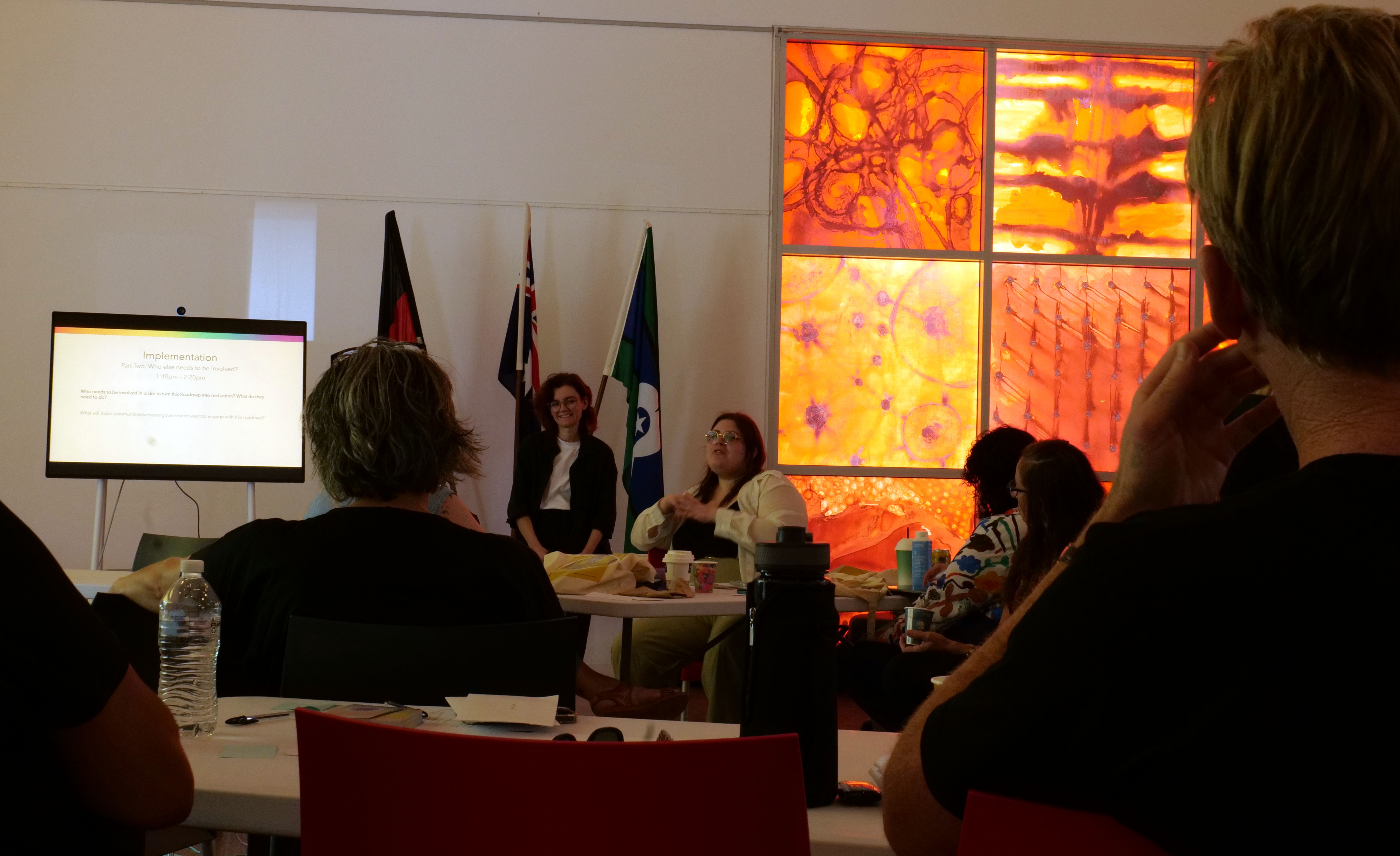
Walkern Katatdjin researcher and lead author Mx Shakara Liddelow-Hunt leads a conversation with the community on the key actions to include in the Roadmap.
Sexuality- and gender-diverse (SGD) young people experience substantial health disparities relative to cisgender heterosexual peers. Little is known about SGD adolescents younger than 15 years.
Mental ill-health and substance use bear significant public health burden on young people. Prevention is key. Trauma-informed approaches to prevention of mental ill-health and substance use demonstrate significant promise, yet it is unclear how well existing approaches work for young people targeting mental ill-health and substance use. This review aimed to assess the effectiveness, feasibility, and acceptability of trauma-informed mental ill-health and/or substance use prevention programs for young people.
The school environment profoundly influences children's development, behaviours, and attitudes. This chapter delves into the relationship between school design and architecture, and their impact on bullying, victimisation, inclusivity, and student well-being. Research underscores the significant impact of school design on student social dynamics, advocating for collaborative efforts among stakeholders to craft effective anti-bullying policies.
The prevalence of psychosis has been shown to be disproportionately high amongst sexual and gender minority individuals. However, there is currently little consideration of the unique needs of this population in mental health treatment, with LGBTQA+ individuals facing barriers in accessing timely and non-stigmatising support for psychotic experiences.
Tertiary education is particularly demanding for students with attention-deficit hyperactivity disorder (ADHD), who often struggle with emotion regulation and are at greater risk of internalising disorders compared to their peers. Self-compassion is a skill associated with positive mental health and adaptive emotion regulation that might support students in managing the emotional challenges of studying with ADHD.
Children and adolescents living in families affected by mental illness are at elevated risk of developing mental health problems. A range of interventions have been designed to help these young people; however, the effectiveness of these programs is, in some cases, mixed. Our aim was to understand in detail the support needs and experiences of a group of Australian children and adolescents living in families with mental illness.
Parental support is strongly correlated with protective factors for trans youth yet most experience parental rejection or ambivalence regarding their gender. Many parents report a desire to support their child but indicate lack of understanding and support as key barriers. We aimed to develop a nuanced understanding of the challenges and facilitators experienced by Australian parents in developing understanding, support and acceptance of their child’s gender and their needs to do so.
Parental support is strongly correlated with protective factors for trans youth, however, most experience unsupportive parental attitudes. We aimed to better understand how youth perceive parental reactions to their gender identity disclosure and what they consider to be barriers to, and facilitators of, support.
To describe the implementation and outcomes of a combined individual placement and support (IPS) and vocational peer work program for young people with mental ill-health.