
Search

A USD $3.25 million international grant will see researchers from The Kids Research Institute Australia and The University of Western Australia play a pivotal role in accelerating the development of next-generation malaria vaccines, helping protect children from one of the world's deadliest infectious diseases.
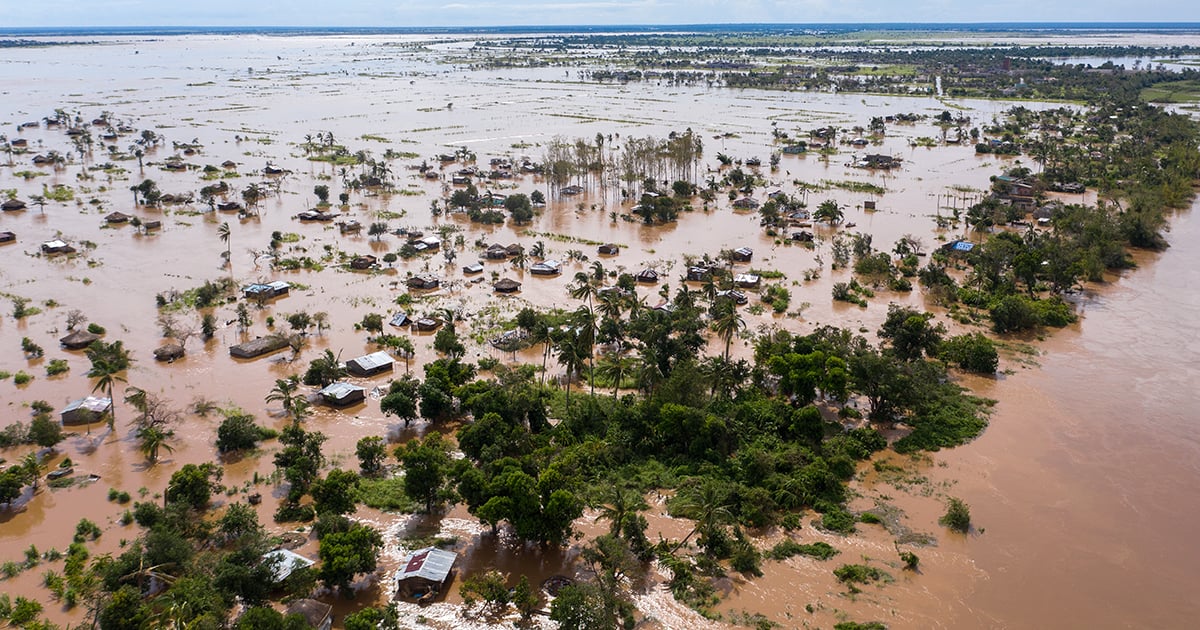
World-first research from The Kids Research Institute Australia and Curtin University predicts climate change could trigger more than 100 million additional malaria cases and 500,000 additional deaths in Africa by 2050, including substantial impacts on children.

Research to eliminate one of the world’s deadliest diseases – malaria – will be accelerated thanks to a USD $4.7 million grant from the Gates Foundation for scientists at The Kids Research Institute Australia and The University of Western Australia (UWA).

The Malaria Atlas Project (MAP) – which houses the world’s largest malaria database and is at the forefront of efforts to track and tackle the disease – has been awarded more than $16 million by the Bill & Melinda Gates Foundation.

Disruptions of malaria case management caused by the COVID-19 pandemic likely contributed to an extra 76,000 malaria deaths in sub-Saharan Africa, according to analysis by The Kids Research Institute Australia and Curtin University.

A world-leading research team built to tackle malaria has relocated from Oxford University to Western Australia to take advantage of the state’s growing big data talent pool.
Differential exposure and effect of malaria results from blends of biophysical, geospatial, and social determinants of health (SDoH). Likewise, effective policies and programmatic interventions against malaria must consider the complex interaction of social and spatial factors, while comprehensive health promotion approaches must simultaneously tackle SDoH and the ecological dimensions that drive malaria.
Human mobility is a driver for the reemergence or resurgence of malaria and has been identified as a source of cross-border transmission. However, movement patterns are difficult to measure in rural areas where malaria risk is high. In countries with malaria elimination goals, it is essential to determine the role of mobility on malaria transmission to implement appropriate interventions.
Despite significant decline in the past two decades, malaria is still a major public health concern in Tanzania; with over 93% of the population still at risk. Community knowledge, attitudes and practices, and beliefs are key in enhancing uptake and utilization of malaria control interventions, but there is a lack of information on their contribution to effective control of the disease.
Reliable and detailed data on the prevalence of tuberculosis (TB) with sub-national estimates are scarce in Ethiopia. We address this knowledge gap by spatially predicting the national, sub-national and local prevalence of TB, and identifying drivers of TB prevalence across the country.