
Romidepsin enhances the efficacy of cytarabine in vivo, revealing HDAC inhibition as a therapeutic strategy for KMT2A-rearranged acute lymphoblastic leukemia
In this study, we investigate the in vivo synergy between romidepsin and cytarabine
A CHAF1B-Dependent Molecular Switch in Hematopoiesis and Leukemia Pathogenesis
Here we report that CHAF1B is required for normal hematopoiesis while its overexpression promotes leukemia
Partial trisomy 21 contributes to T-cell malignancies induced by JAK3-activating mutations in murine models
This JAK3A572V knockin model is a relevant new tool for testing the efficacy of JAK inhibitors in JAK3-related hematopoietic malignancies
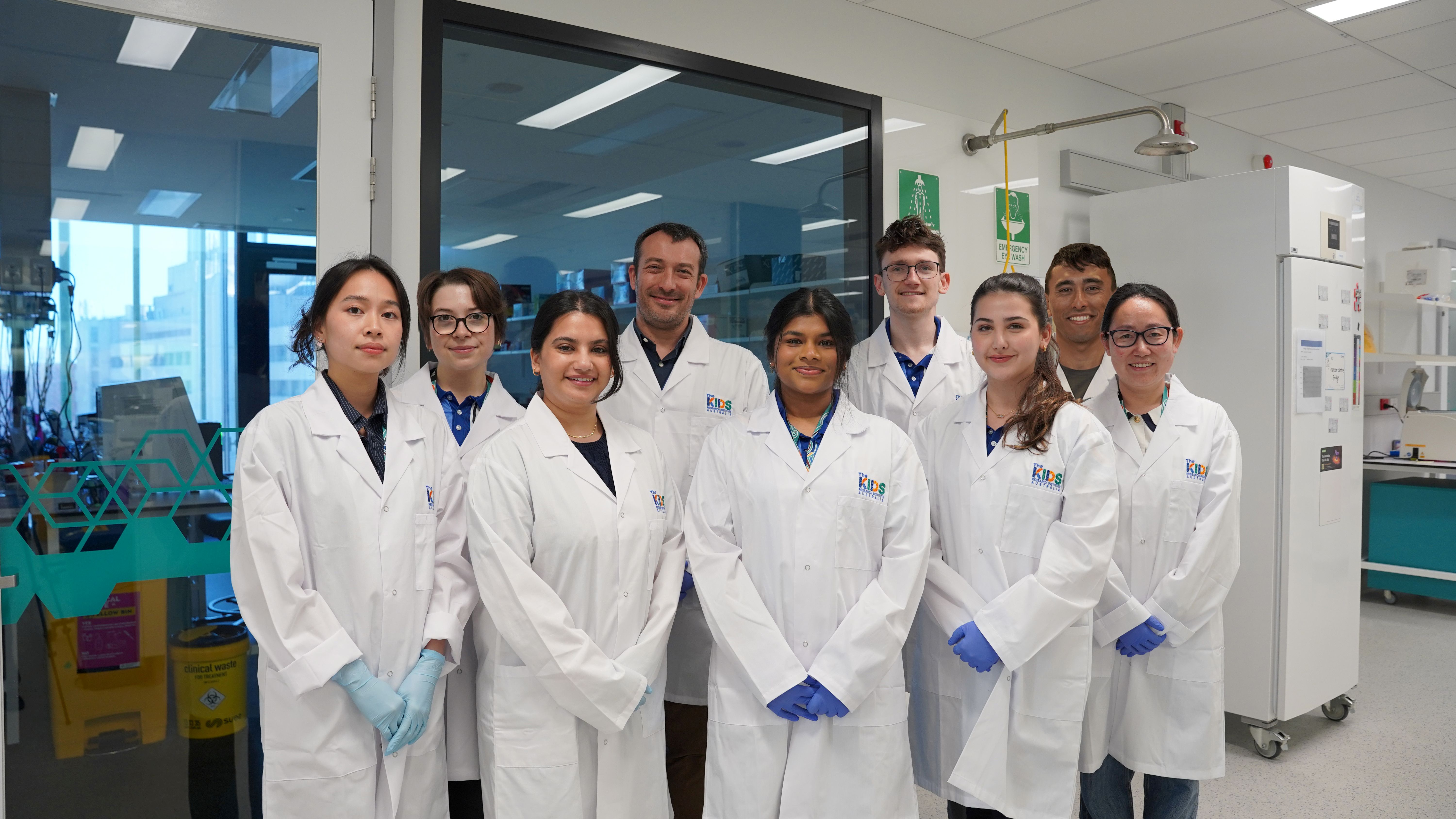
Translational Genomics in Leukaemia
The Translational Genomics in Leukaemia team is focused on identifying the causes of leukaemia, with the goal of developing new targeted treatments t…