
Search
Parent-child interactions (PCI) in infants with an elevated likelihood (EL) of autism start to diverge from other infants toward the end of the first year. This divergence is often attributed to emerging features of autism impacting infant social interactions in ways that become increasingly amplified. The aim was to identify which, if any, 12-month autism features were associated with later PCI qualities.
There is emerging evidence that LEGO® therapy is an effective way of supporting younger autistic children develop their communication and social skills. LEGO® robotics therapy - which uses the principles of LEGO® therapy applied to LEGO® robotics - may be an age-appropriate intervention to reduce anxiety and increase social skills in autistic adolescents.
Brain development during the preschool period is complex and extensive and underlies ongoing behavioral and cognitive maturation. Increasing understanding of typical brain maturation during this time is critical to early identification of atypical development and could inform treatments and interventions.
Access to behavioural sleep intervention is beneficial for autistic children, yet many families face barriers to access associated with location and time. Preliminary evidence supports telehealth-delivered sleep intervention. However, no studies have evaluated brief telehealth sleep intervention.
Previous studies have reported that mode of delivery, particularly cesarean delivery is associated with neurodevelopmental outcomes in children. This study evaluates behavioral and neuropsychological test scores in children based on mode of delivery.
Find out more about Paediatric Occupational Therapy services at CliniKids.
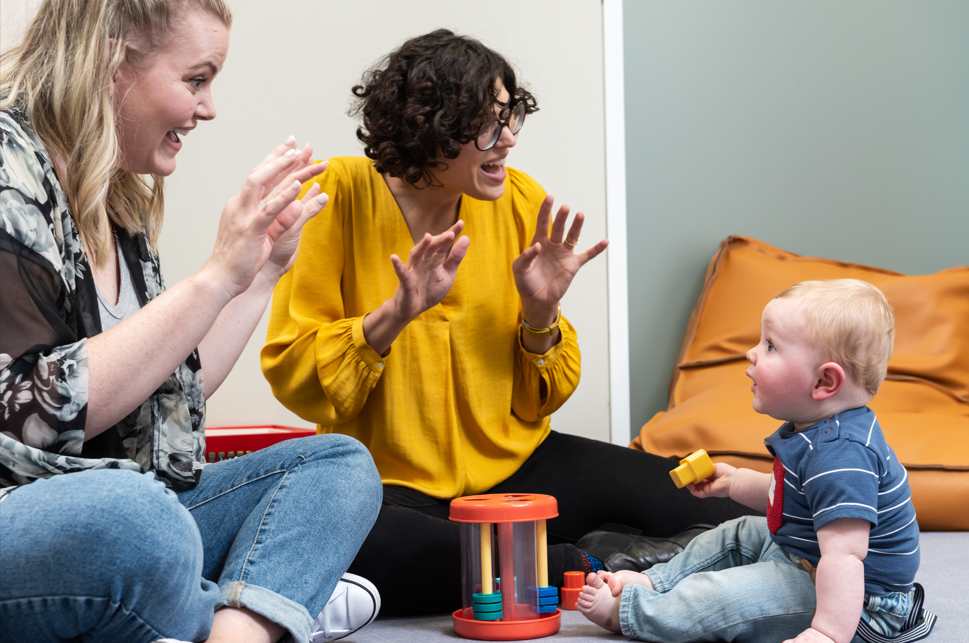
At CliniKids, we offer a therapy called PACT (Paediatric Autism Communications Therapy) for parents who would like to support their child’s social communication skills.
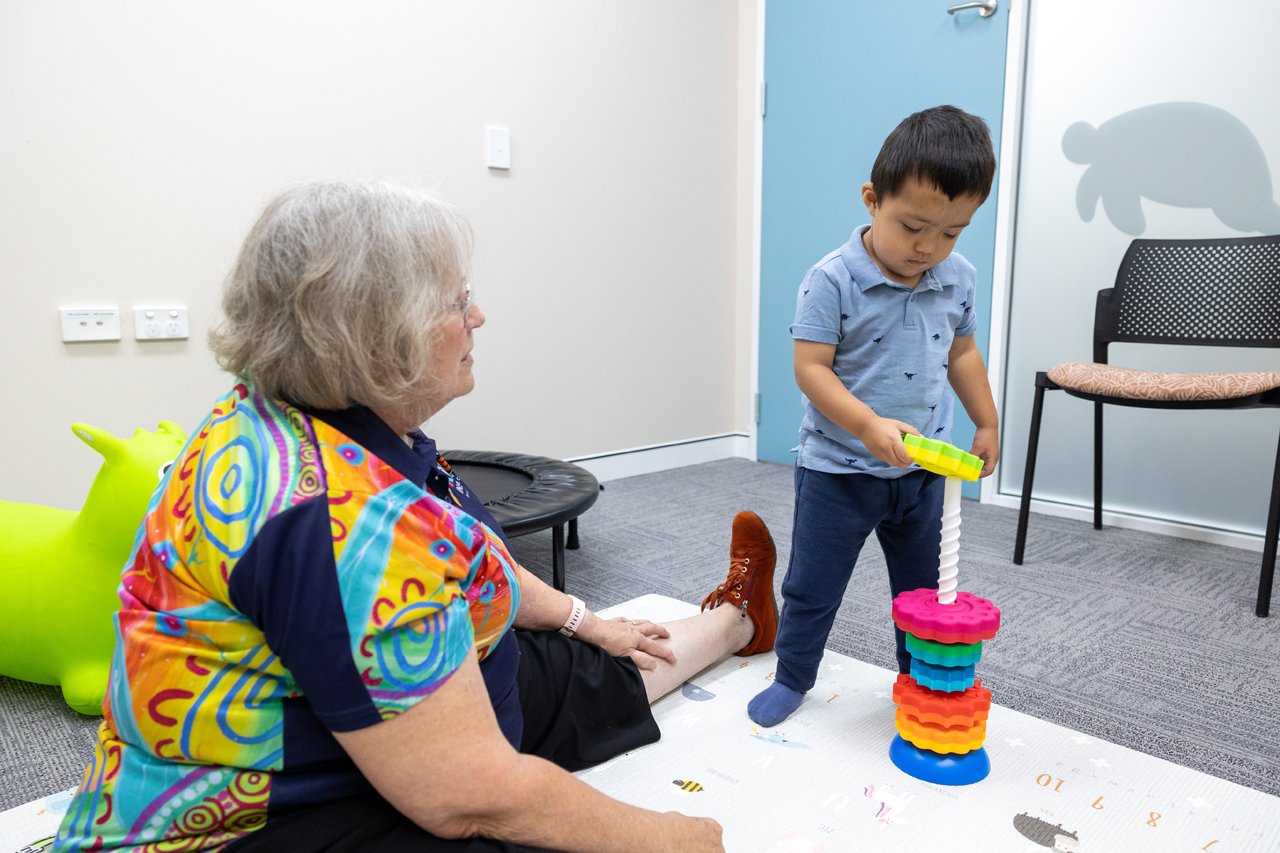
The CO-OP approach guides children to independently discover and develop cognitive strategies to perform the necessary tasks of everyday living.
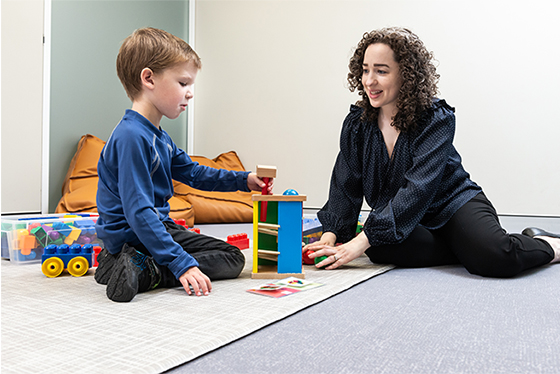
The ESDM aims to promote a child’s development across all domains, including language, joint attention, imitation, cognition, play and social skills, and fine and gross motor skills.
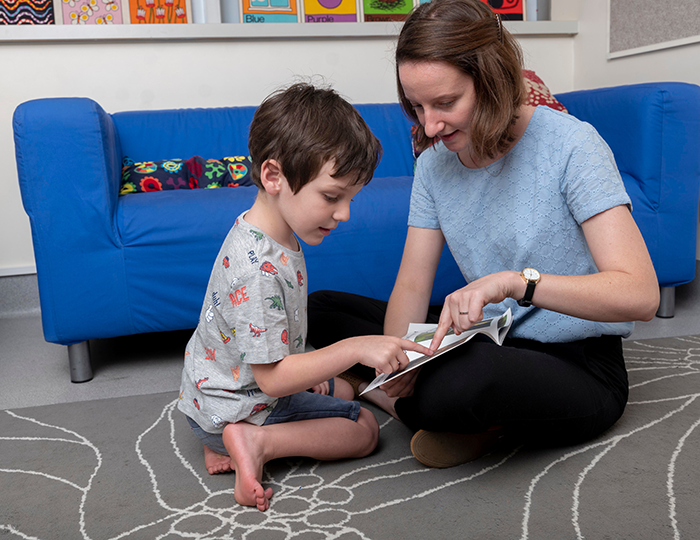
At CliniKids, the JASPER approach is for preschool and school-aged children who have differences in play and social communication skills.