
Search
Intellectual and developmental disabilities (IDD) are varied in their nature and presentation. Barriers to oral healthcare are reported in studies of general populations with IDD but these may not reflect the barriers experienced by individuals with rare disorders such as Rett syndrome.
The transport of sick newborn infants with respiratory distress leads to unwanted stress at time of physiological instability. There is dearth of studies to evaluate these stress levels. This pilot prospective observational before-after study aimed to evaluate the plasma cortisol levels (as surrogate marker of stress) in infants with respiratory distress during different phases of neonatal transport.
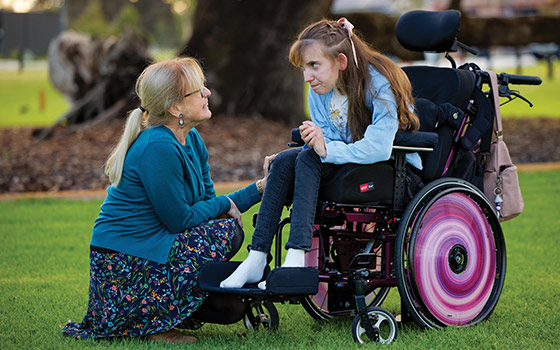
No validated oral health-related quality of life (OHRQOL) instrument currently exists for those with severe intellectual and developmental disabilities and who communicate non-verbally. This qualitative study aimed to explore the domains that were important to the oral health-related quality of life in individuals with Rett syndrome.
Developmental Coordination Disorder (DCD) is an under-recognized and often trivialized neurodevelopmental condition impacting five to six percent of children. This study aimed to map the impact of DCD on children and their families in Belgium.

Aboriginal mum and child

The MINERvA Network will allow more accurate and precise determination of the contributions of familial and environmental factors to the etiology of autism.

The Kids Research Institute Australia and Perth Children’s Hospital clinician-researchers have found more than one in ten children across four remote Kimberley communities have protracted bacterial bronchitis.
The Quality of Life Inventory - Disability

The landmark Western Australian Aboriginal Child Health Survey has been placed into archiving at the State Library of Western Australia to be preserved for future generations.

Researchers have developed the first National Healthy Skin Guideline to address record rates of skin infections in Australia’s Indigenous communities.

AuStralian Collaboration to Enhance Neuro-Development

Infectious diseases researcher, Dr Asha Bowen, has won the Early Career Scientist of the Year Premier's Science Award for 2017.

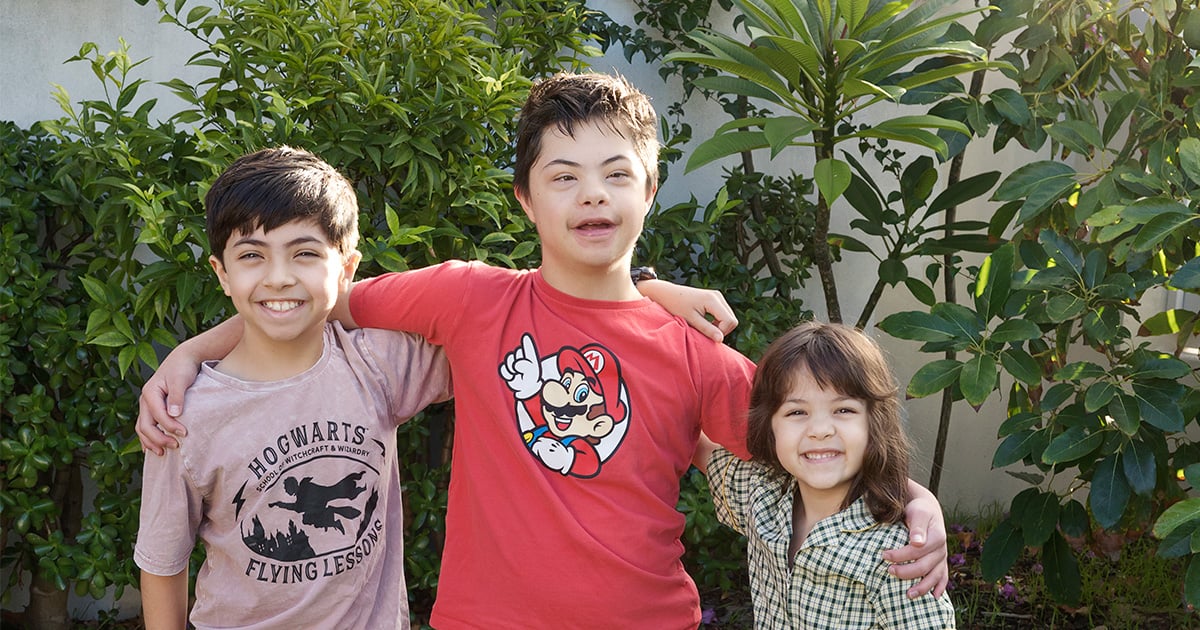
The Sibling Project focuses on the wellbeing, relationships and needs of children, adolescents and emerging adults who have a sibling with a developmental disability.

The Kids Research Institute Australia researchers have been awarded five of eight State Government awards designed to help cover the hidden costs of conducting research.
Developmental and epileptic encephalopathy (DEE) conditions are rare, and most have a genetic cause.
In children with Rett syndrome, this study aimed to (1) describe gross motor skill trajectories; and (2) analyse the influences of genetic variant and comorbidities. This was a prospective longitudinal study conducted at the Danish National Center for Rett Syndrome 2008 to 2022. The Rett Syndrome Gross Motor Scale (RSGMS) was administered, and clinical data collected at each visit.

Aboriginal women in Western Australia's Kimberley region will be become qualified as community health researchers thanks to a grant awarded to The Kids.
This research sought to describe a conceptual model of Aboriginal and Torres Strait Islander Community Controlled Health Organisation (ATSICCHO) primary health care, and the fundamental role ATSICCHOs exercise in addressing critical service gaps needed to achieve equitable outcomes for Aboriginal and Torres Strait Islander peoples.
Indigenous Australians have an increased risk of type 2 diabetes mellitus and premature cardiovascular disease. Subpopulations of high-density lipoprotein (HDL) have been associated with increased cardiovascular risk, but HDL composition, size, or function have not been studied in Indigenous Australians.
Type 1 diabetes in First Nations peoples is low yet type 2 diabetes is at epidemic proportions. This study aimed to determine the prevalence of islet autoimmunity in First Nations women with dysglycaemia and its association with clinical features.