
Search
Pregnancy and early infancy are increased risk periods for severe adverse effects of respiratory infections. Aboriginal and/or Torres Strait Islander (respectfully referred to as First Nations) women and children in Australia bear a disproportionately higher burden of respiratory diseases compared to non-Indigenous women and infants. Influenza vaccines and whooping cough (pertussis) vaccines are recommended and free in every Australian pregnancy to combat these infections.
Substance use disorders (SUDs) cause significant harm to regional Australians, who are more likely to misuse alcohol and other drugs (AODs) and encounter difficulty in accessing treatment services. The primary aims of this study were to describe the demographics of patients aeromedically retrieved from regional locations and compare hospital outcomes with a metropolitan-based cohort.
Aboriginal Australians have a fundamental human right to opportunities that lead to healthy and flourishing lives. While the impact of trauma on Aboriginal Australians is well-documented, a pervasive deficit narrative that focuses on problems and pathology persists in research and policy discourse.
To generate contemporary age-specific mortality rates for Indigenous and non-Indigenous Australians aged <65 years who died from rheumatic heart disease between 2013 and 2017, and to ascertain the underlying causes of death of a prevalent RHD cohort aged <65 years who died during the same period.

The Institute's Standards for the Conduct of Aboriginal Health Research outline our ways of working with Aboriginal communities and peoples.
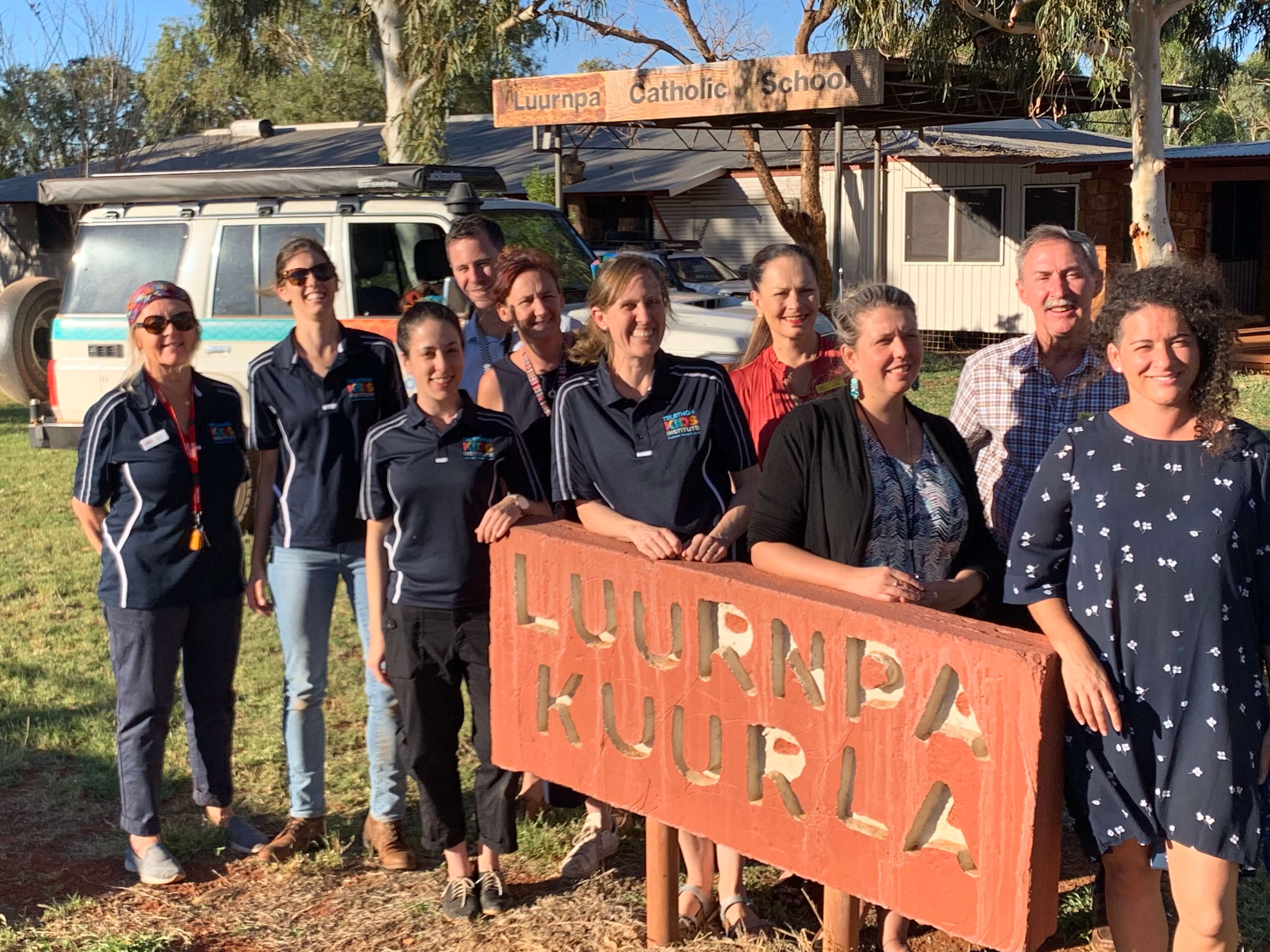
The The Kids Skin Health team has a busy six weeks ahead - visiting nine communities throughout the Kimberley region of WA as part of the first school surveillance activities for the SToP Trial.

Aboriginal mum and child

The Kids Research Institute Australia and Perth Children’s Hospital clinician-researchers have found more than one in ten children across four remote Kimberley communities have protracted bacterial bronchitis.

The landmark Western Australian Aboriginal Child Health Survey has been placed into archiving at the State Library of Western Australia to be preserved for future generations.

Researchers have developed the first National Healthy Skin Guideline to address record rates of skin infections in Australia’s Indigenous communities.