
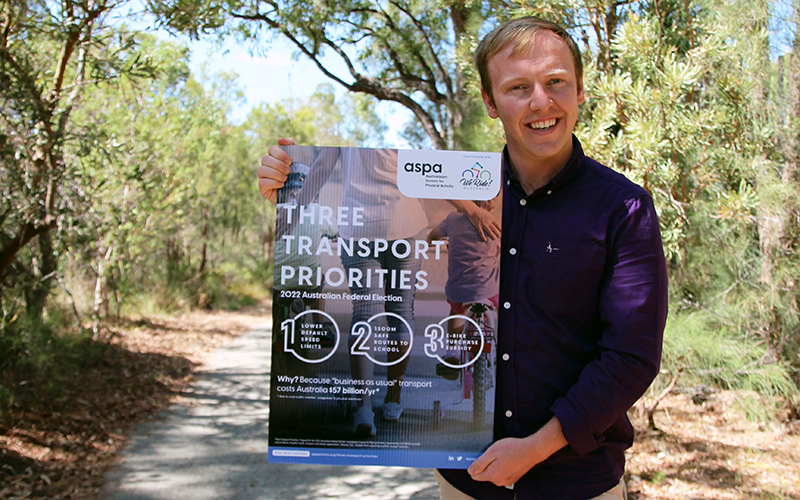
The Kids Research Institute Australia has backed a series of transport priorities to keep children safer on the roads, boost physical activity levels…
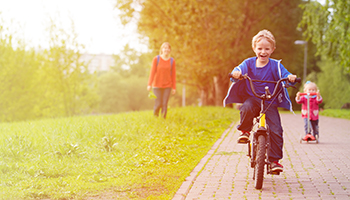
A new The Kids Research Institute Australia-led report into the impact of state and national policy on children’s health has called for kids and fami…

A The Kids Research Institute Australia PhD student has been awarded Western Australia’s only 2022 postgraduate scholarship by the National Health an…
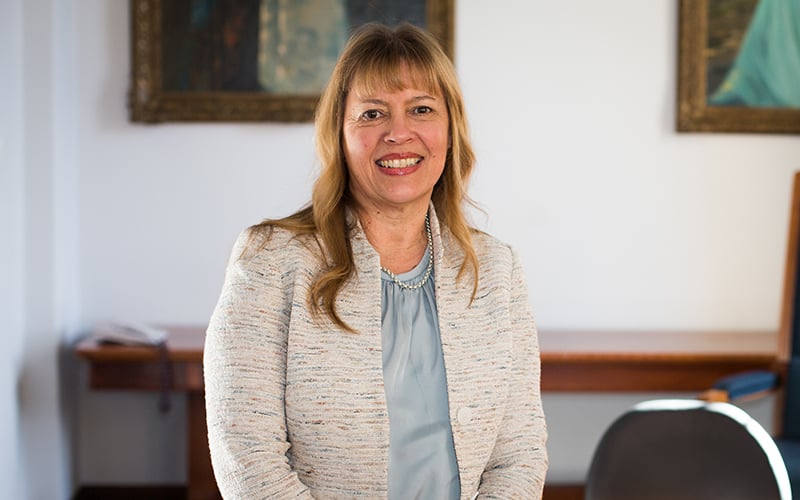
Congratulations to trailblazing mental health researcher Professor Helen Milroy, who has been announced as a finalist for the 2021 Human Rights Medal.
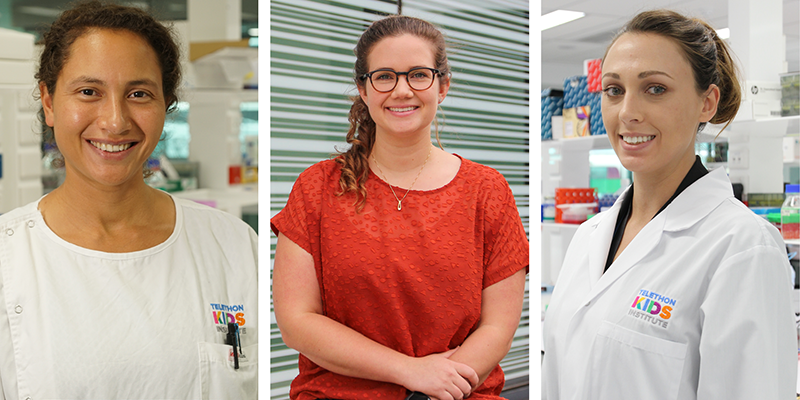
Three outstanding young researchers from The Kids Research Institute Australia have been named Raine Fellows and received valuable Raine Priming Gran…
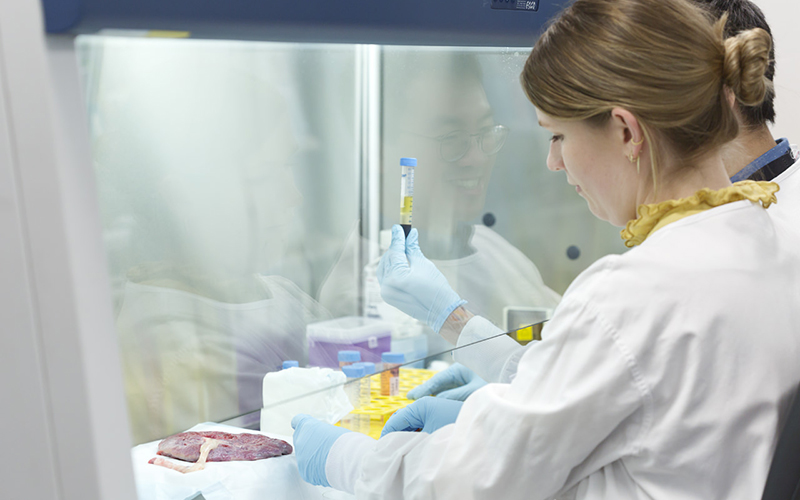
Four The Kids Research Institute Australia-based biobanks which underpin a range of cancer, respiratory and early life research have received more th…

Perth’s The Kids Research Institute Australia has welcomed a major funding boost for the Medical Research Future Fund (MRFF).

The Kids Research Institute Australia is pleased to share in $490,000 in State Government funding designed to provide vital support to WA’s innovatio…
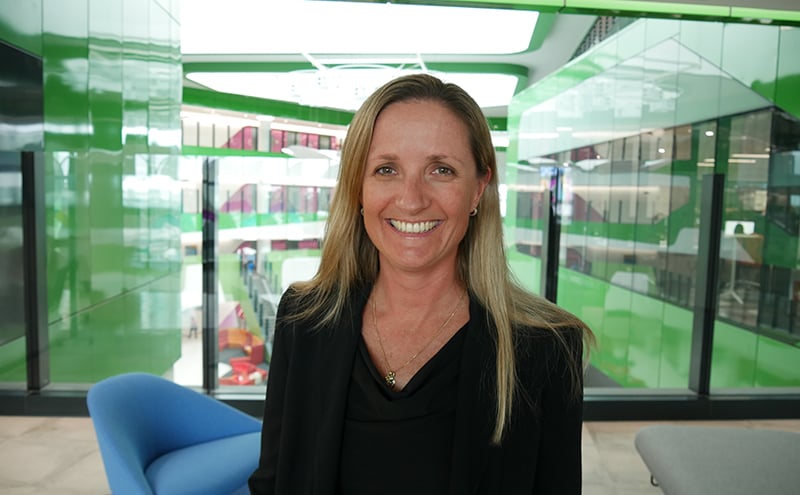
A The Kids Research Institute Australia researcher focused on promoting more active childhoods to improve child health and wellbeing will be named am…

Secondary students have the opportunity to hear from Associate Professor Asha Bowen, a 2018 L’Oreal-UNESCO Women in Science Fellow, in a free online…