
Increased risk of autism spectrum disorder with intellectual disability and cerebral palsy with intellectual disability for mothers of some foreign-b…
The risk of intellectual disability was increased in children born after assisted reproductive technology in Western Australia from 1994 to 2002
Maternal severe mental illness and exposure to obstetric complications contribute separately to the risk of intellectual disability
This study will determine the rate of falls among older adults with ID living in community based settings, which will assist to identify the extent o…
Our study suggests that vagus nerve stimulation is a generally safe and effective adjunct treatment for CDKL5-associated epilepsy
There remains uncertainty about the effect of exercise on oxidative stress in people with Down syndrome
This study describes how an informed consent process was developed for people with intellectual disability and how it is working in a current study
This study used qualitative methods to investigate the regaining of mobility in 12 months following fractures in Rett syndrome and parent caregiver e…
People with intellectual disability were more likely to experience potentially preventable conditions at the end of their lives
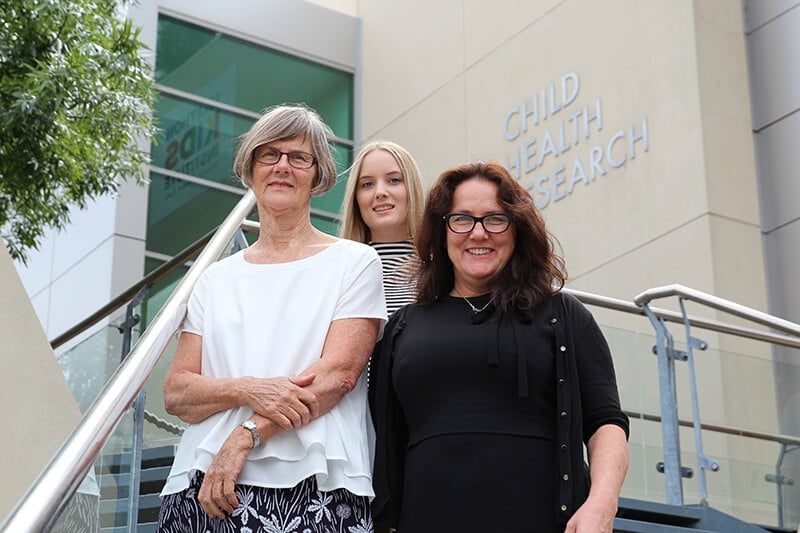
Nine out of ten incarcerated youth examined by The Kids researchers as part of a ground-breaking study had some form of neuro-disability.