
Non-communicable diseases (NCDs) such as cancer, diabetes, heart disease, mental disorder and chronic lung conditions are the leading cause of death…

Eight The Kids Research Institute Australia-led projects will benefit from the latest round of WA Child Research Fund (WACRF) grants, announced this…
Cereal-derived polyphenols have demonstrated protective mechanisms in colorectal cancer (CRC) models; however, confirmation in human studies is lacki…
Evidence suggests the involvement of the microbiota, including oral, intra-tumoral and gut, in pancreatic cancer progression and response to therapy.…
This study asked consumers (patients, carers) and healthcare professionals (HCPs) to identify the most important symptoms for adults with cancer and…
Clinical management of breast cancer (BC) metastasis remains an unmet need as it accounts for 90% of BC-associated mortality. Although the luminal su…

Researchers have identified key differences between cancers that respond to immunotherapy and those that do not.
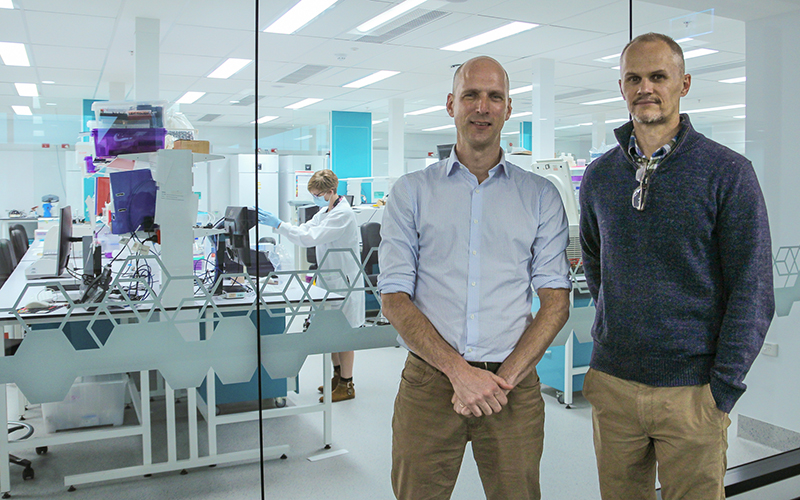
Researchers at The Kids Research Institute Australia and UWA will use a $500,000 CUREator grant to progress the development of the first cancer immun…
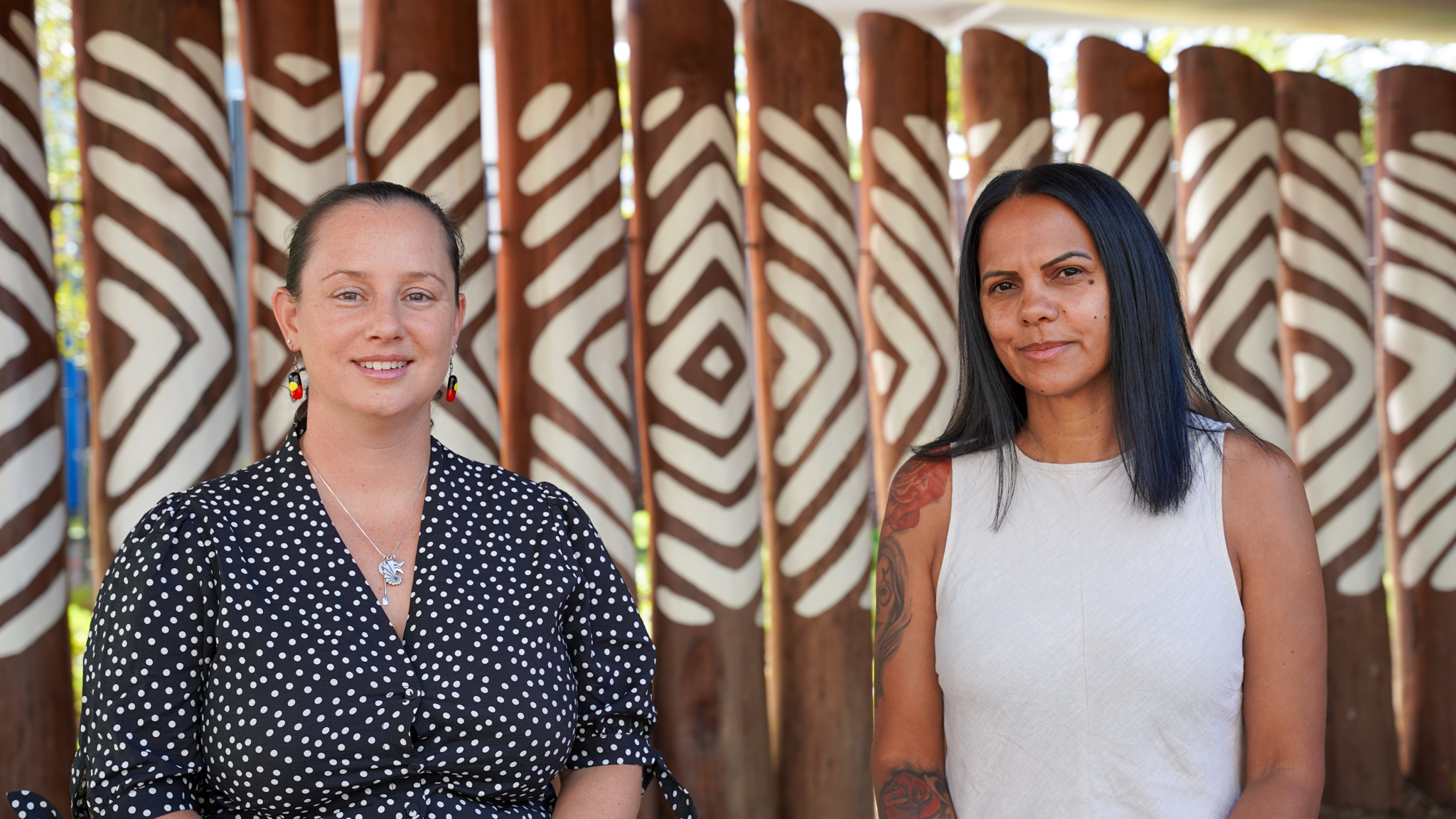
A first of its kind research program at The Kids Research Institute Australia aims to develop new strategies to better treat Aboriginal and Torres St…