
Search
Chronic disease remains the leading cause of morbidity and mortality among Aboriginal and Torres Strait Islander peoples in Australia. Regular structured, comprehensive health assessments are available to Aboriginal and Torres Strait Islander people as annual health checks funded through the Medicare Benefits Schedule.
Group A Streptococcus (GAS) causes pharyngitis (sore throat) and impetigo (skin sores) GAS pharyngitis triggers rheumatic fever (RF) with epidemiological evidence supporting that GAS impetigo may also trigger RF in Australian Aboriginal children. Understanding the concurrent burden of these superficial GAS infections is critical to RF prevention. This pilot study aimed to trial tools for concurrent surveillance of sore throats and skins sore for contemporary studies of RF pathogenesis including development of a sore throat checklist for Aboriginal families and pharynx photography.
Conducting ethical and high-quality health research is crucial for informing public health policy and service delivery to reduce the high and inequitable burden of disease experienced by Aboriginal and Torres Strait Islander people.
Aboriginal children hospitalised with acute lower respiratory infections (ALRIs) are at-risk of developing bronchiectasis, which can progress from untreated protracted bacterial bronchitis, often evidenced by a chronic (>4 weeks) wet cough following discharge. We aimed to facilitate follow-up for Aboriginal children hospitalised with ALRIs to provide optimal management and improve their respiratory health outcomes.
In children, chronic wet cough may be a sign of underlying lung disease, including protracted bacterial bronchitis (PBB) and bronchiectasis. Chronic (> 4 weeks in duration) wet cough (without indicators pointing to alternative causes) that responds to antibiotic treatment is diagnostic of PBB. Timely recognition and management of PBB can prevent disease progression to irreversible bronchiectasis with lifelong consequences. However, detection and management require timely health-seeking by carers and effective management by clinicians.
Aboriginal young people are experts in their own experience and are best placed to identify the solutions to their mental health and wellbeing needs. Given that Aboriginal young people experience high rates of mental health concerns and are less likely than non-Indigenous young people to access mental health services, co-design and evaluation of appropriate mental health care is a priority.
Evidence suggests that Aboriginal babies in Western Australia are not receiving adequate primary health care in their first 3 months of life, leading to questions about enablers and constraints to delivering such care. This paper presents findings from a qualitative research project investigating health providers' perceptions and experiences of best and current practice in discharge planning, postnatal care and health education for Aboriginal mothers and their newborn babies.
Acute rheumatic fever (ARF) and rheumatic heart disease (RHD) are prevalent among First Nations peoples in Australia. In Western Australia (WA), notification of ARF and RHD to the WA RHD register is mandatory and supports follow-up care. However, previous studies from rural WA have reported incomplete notification, suggesting gaps in surveillance and hospital-registry linkage.
The Western Australian paediatric ESCALATION system, integrating family involvement, promotes early recognition and response to a hospitalised child's deteriorating health. This study aimed to understand healthcare professionals' experiences of Aboriginal parent/carer involvement in detecting clinical deterioration in the hospital.
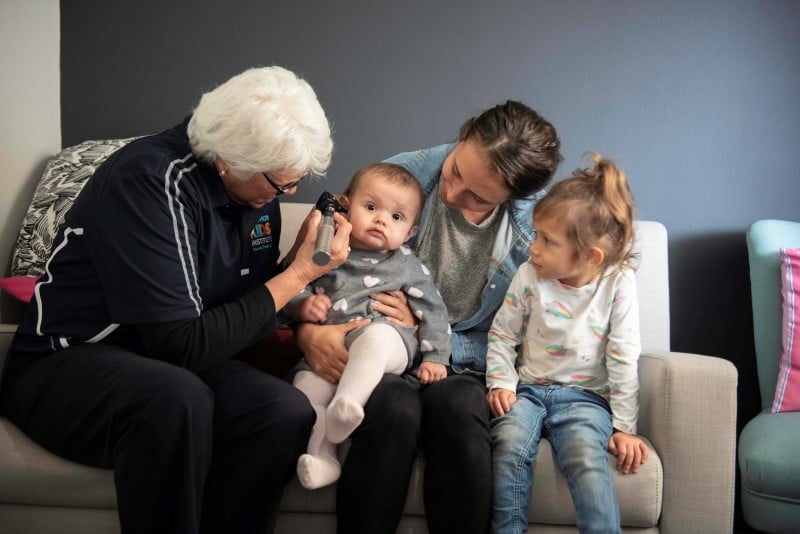
The Wesfarmers Centre of Vaccines and Infectious Diseases has appointed Mrs Valerie Swift to a newly created Aboriginal Cultural Guidance Advisor position.