Search

Co-Head, Leukaemia Translational Research

Honorary Emeritus Fellow

Our local legend, brain cancer researcher Jacob Byrne, has crossed the finish line of his final marathon, completing his Big Run for Little Brains - 30 marathons in 30 days, covering 1266km across Perth’s local government areas.

Each year in Australia, around 120 children are diagnosed with brain cancer, the leading cause of cancer-related death in young people.
Projects to improve outcomes for leukaemia patients and reduce skin cancer rates in young Aboriginal people have received funding through Cancer Council WA.
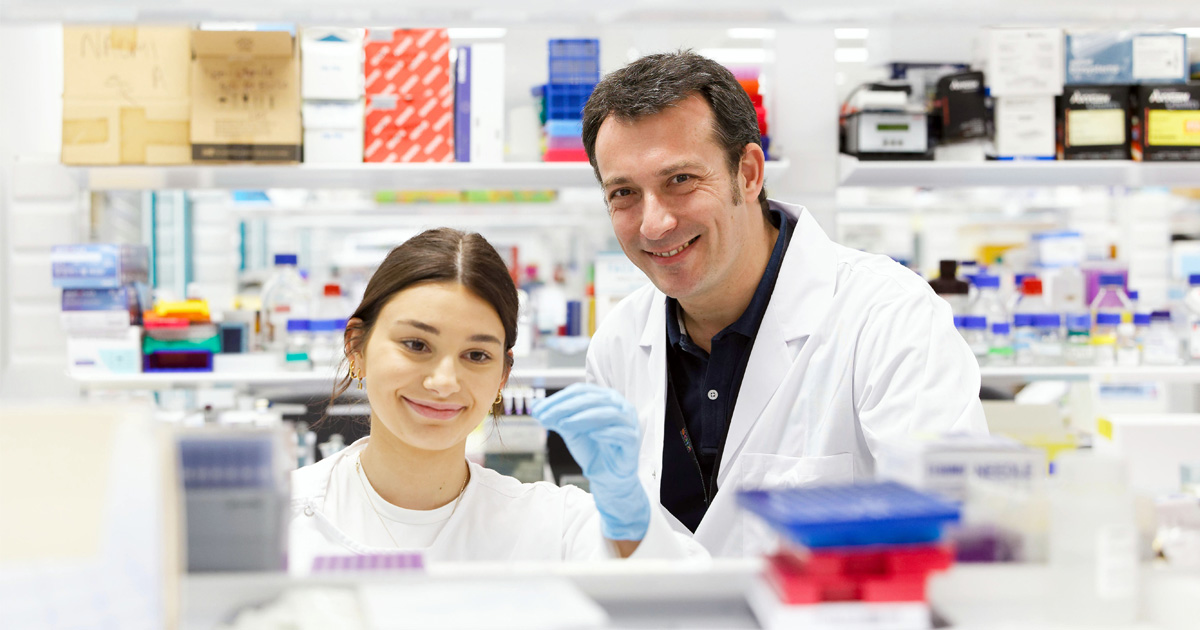
A team of world-leading scientists has secured $5 million in funding from the Leukaemia and Lymphoma Society to advance the fight against leukaemia in children with Down syndrome.

One of the researchers who helped crack the code of 10-year-old Northam girl Charlotte Patterson’s incredibly rare disease has received State Government funding that will allow her to use the same methods to rapidly assess the cases of hundreds more patients living with undiagnosed disease.

The Kids Research Institute Australia brain cancer researcher, Dr Jessica Buck will today join the ranks of a select group of brilliant female scientists.
In pediatric cancer precision medicine clinical trials settings, parents proactively seeking treatment and answers to causation may request return of their child's raw data and/or biospecimen. To satisfy such requests, the ZERO Childhood Cancer Program required a guidance document.
Due to their anatomical locations, optic pathway gliomas (OPGs) can rarely be cured by resection. Given the importance of preserving visual function, we analyzed radiological and visual acuity (VA) outcomes for the type II RAF inhibitor tovorafenib in the OPG subgroup of the phase 2 FIREFLY-1 trial.