
Search
This article identifies and examines a range of policy reform opportunities in Australia arising from COVID-19. The authors demonstrate how COVID-19 presents unique opportunities for rethinking and redesigning long-standing rules and regulations covering how people live and work in Australia.
Ahead of the implementation of a COVID-19 vaccination programme, the interdisciplinary Coronavax research team developed a multicomponent mixed methods project to support successful roll-out of the COVID-19 vaccine in Western Australia. This project seeks to analyse community attitudes about COVID-19 vaccination, vaccine access and information needs. We also study how government incorporates research findings into the vaccination programme.
The role of children in the spread of severe acute respiratory syndrome coronavirus 2 (SARS-CoV-2) remains highly controversial. To address this issue, we performed a meta-analysis of the published literature on household SARS-CoV-2 transmission clusters (n = 213 from 12 countries). Only 8 (3.8%) transmission clusters were identified as having a pediatric index case.
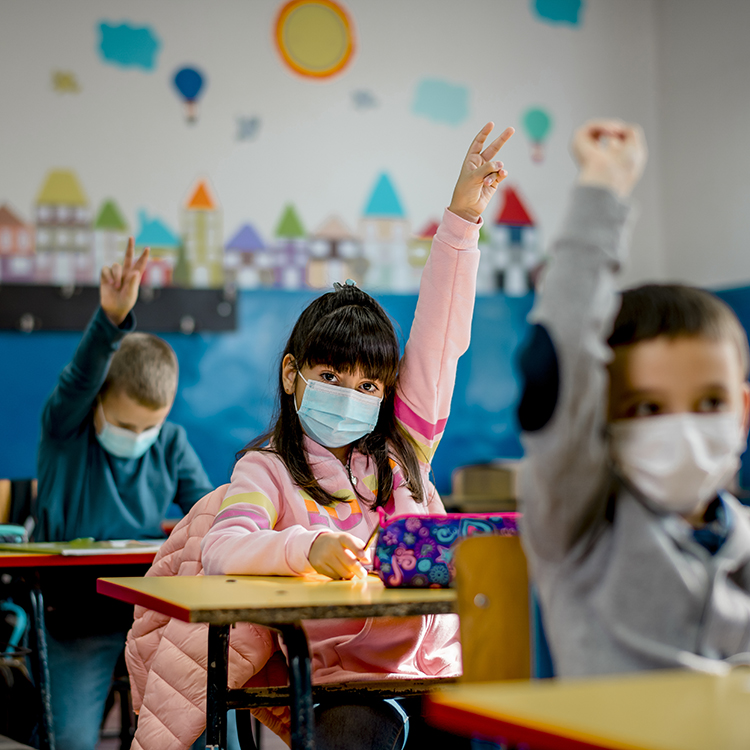
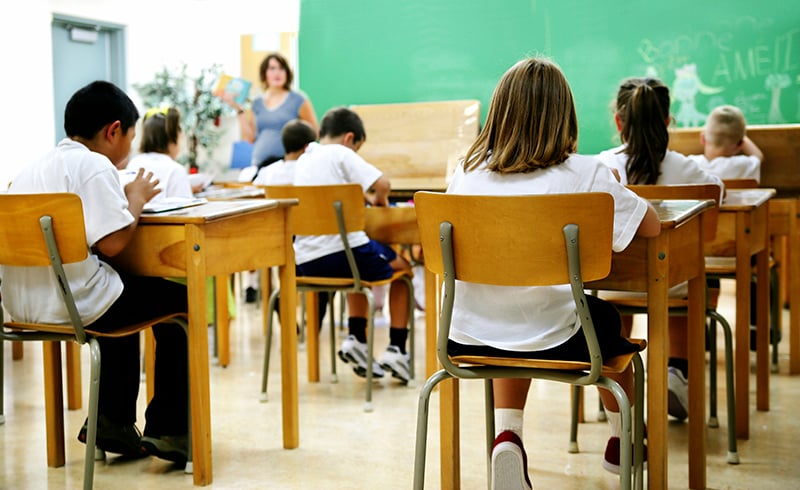
In 2020, school and early childhood educational centre (ECEC) closures affected over 1.5 billion school-aged children globally as part of the COVID-19 pandemic response. Attendance at school and access to ECEC is critical to a child's learning, well-being and health. School closures increase inequities by disproportionately affecting vulnerable children. Here, we summarise the role of children and adolescents in Severe Acute Respiratory Syndrome Coronavirus 2 (SARS-CoV-2) transmission and that of schools and ECECs in community transmission and describe the Australian experience.
Investigator: Nisali Gamage Project description We critically review new studies which are emerging that report findings related to the effects of UV