
Search

A co-designed digital tool to address anxiety concerns for children on the autism spectrum is set to be developed and trialled in Western Australia.

A child-led therapy that supports the social development of babies showing early signs of autism has found a significant reduction in social communication difficulties in babies who received the therapy, according to new research led by CliniKids at The Kids Research Institute Australia.

Western Australian babies and children with autism and developmental delay will be able to access world-first therapies and interventions backed by the latest research, thanks a unique clinical service developed by The Kids Research Institute Australia.

Mirko is a medically trained research-focused academic with a background in developmental psychology, psychometrics, and big data science. His research takes a life-span perspective and is driven by the urgent need to improve outcomes for people on the autism spectrum and with other neurodevelopmental and neuropsy
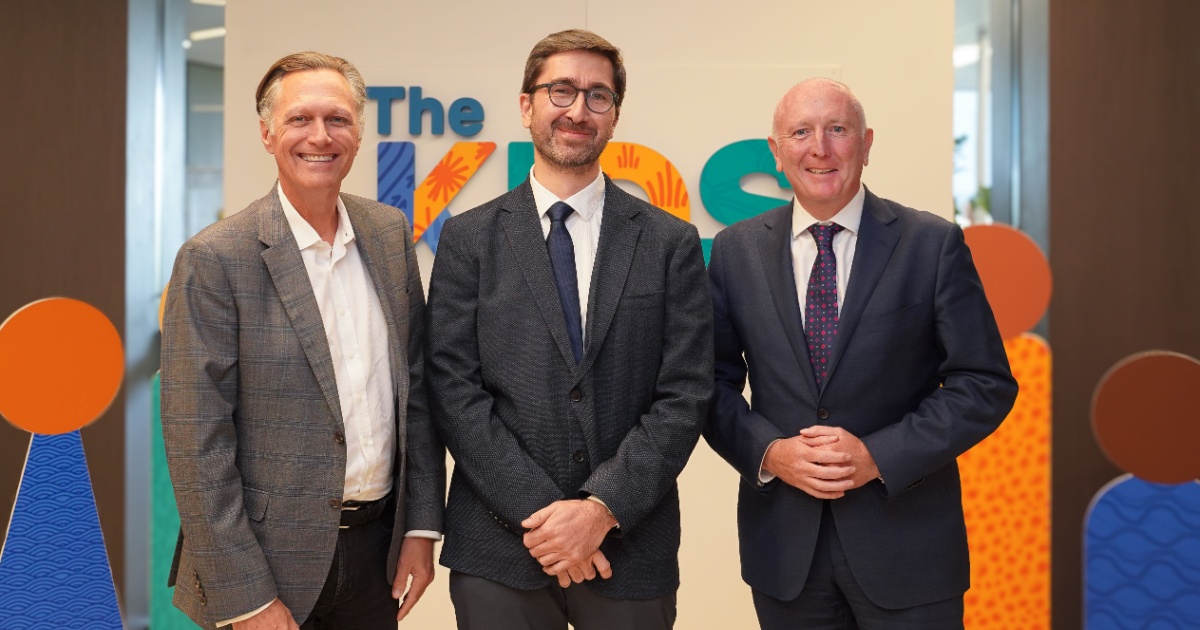
A leading autism scientist has relocated to Perth to take up a new appointment at The Kids Research Institute Australia, thanks to a program designed to attract world-class health researchers to Western Australia.

Researchers at The Kids Research Institute Australia have pushed back against claims by US President Donald Trump linking paracetamol use during pregnancy to autism.

We’re currently celebrating Speech Pathology Week at The Kids!
Autism spectrum disorder (ASD), a neurodevelopmental condition characterised by social and communication differences, is complex and aetiologically heterogeneous. Untargeted metabolomics is emerging as a tool in screening for biochemical abnormalities. This research was conducted using the Australian Autism Biobank resource and involved analysis of plasma metabolites to characterise metabolite differences between autistic children and controls.
We do not know much about what support services people think are okay for young autistic children. This study was a survey of 253 people. We asked autistic adults, parents, and professionals from Australia and New Zealand whether they thought it was okay to provide support services to autistic children.
It is unclear whether sex differences in behavior arising from birth weight (BW) are genuine because of the cross-sectional nature and potential confounding in previous studies. We aimed to test whether sex differences associated with BW phenotype were reproducible using a Mendelian randomization approach, i.e., association between polygenic score (PGS) for BW and behavior outcomes across childhood and adolescence.