
Search
Describe the physiotherapy interventions provided to children with cerebral palsy at risk of respiratory illness and determine criteria for safe in-home treatment.
CDKL5 deficiency disorder (CDD) is a genetically caused developmental epileptic encephalopathy that causes severe communication impairments. Communication of individuals with CDD is not well understood in the literature and currently available measures are not well validated in this population. Accurate and sensitive measurement of the communication of individuals with CDD is important for understanding this condition, clinical practice, and upcoming interventional trials.
Besides motor impairments, up to 90% of the children and adolescents with unilateral cerebral palsy (uCP) present with somatosensory impairments in the upper limb. As somatosensory information is of utmost importance for coordinated movements and motor learning, somatosensory impairments can further compromise the effective use of the impaired upper limb in daily life activities.
Typically developing infants, between the corrected age of 9-20 weeks, produce fidgety movements. These movements can be identified with the General Movement Assessment, but their identification requires trained professionals to conduct the assessment from video recordings.
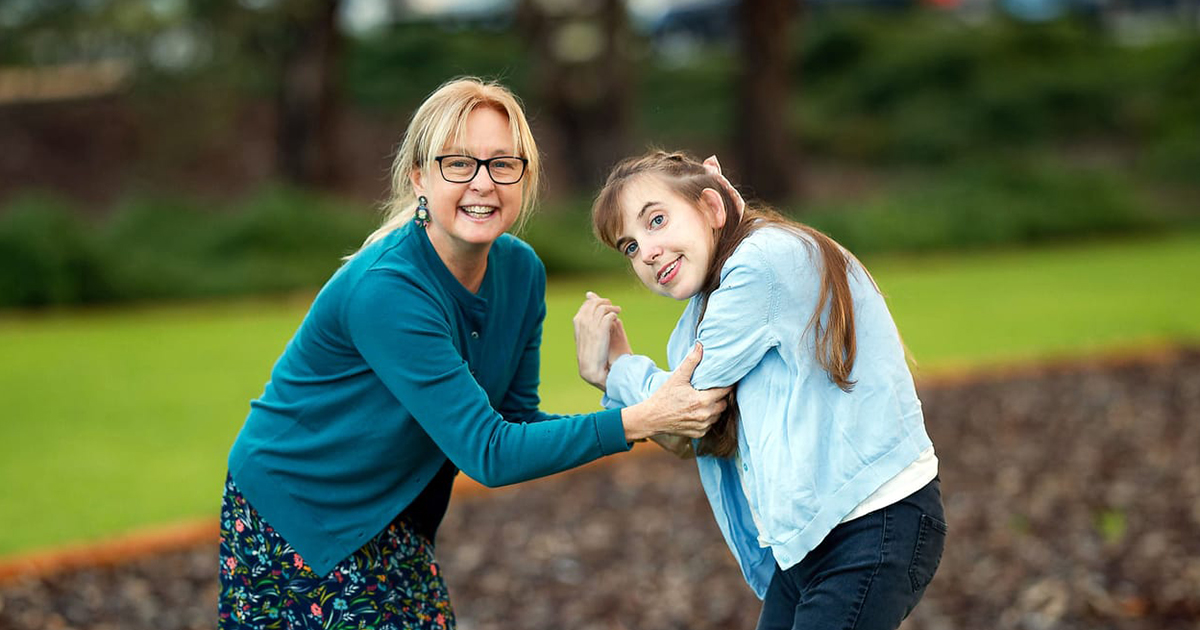
Today marks International Day of People with Disability (IDPwD), a United Nations initiative that encourages communities around the world to deepen their awareness, understanding and acceptance of people with disability.

Six researchers from The Kids Research Institute Australia have been awarded $8.9 million in prestigious Investigator Grants from the National Health and Medical Research Council.
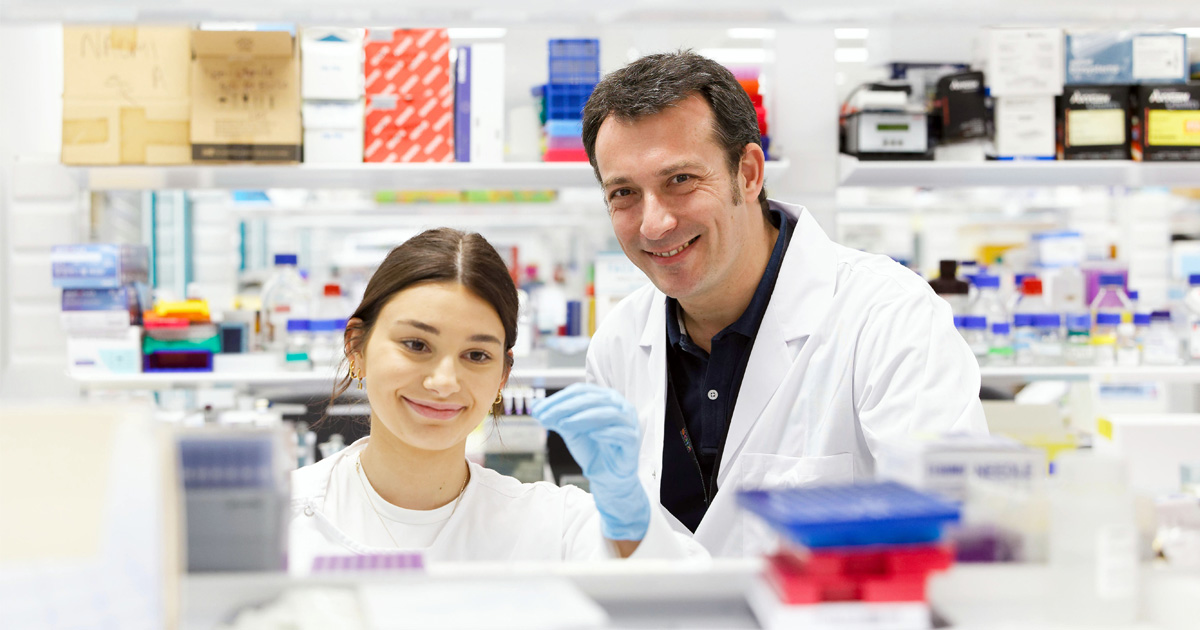
A team of world-leading scientists has secured $5 million in funding from the Leukaemia and Lymphoma Society to advance the fight against leukaemia in children with Down syndrome.
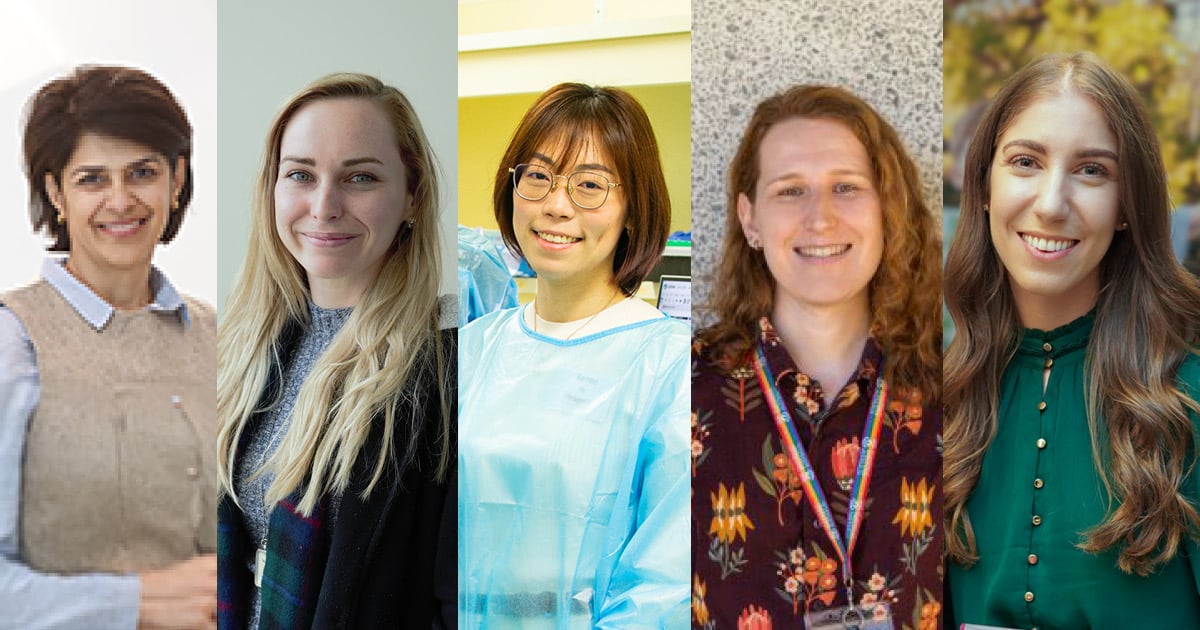
Five researchers from The Kids Research Institute Australia have been awarded three-year fellowships with the aim of keeping more WA-based PhD graduates involved in child health research.

Two The Kids Research Institute Australia researchers recognised for their role in building a global database for CDKL5 deficiency disorder are now helping to set the scene for clinical trials of much-needed potential treatments.

The Kids Research Institute Australia researchers have called for a greater focus on creating opportunities for children with disability to participate in the community, after finding a clear link between participation and better quality of life.