
Search

COMBAT CF is one of two long-standing international trials which have resulted in new early intervention options helping to reduce progressive lung damage in kids living with CF.
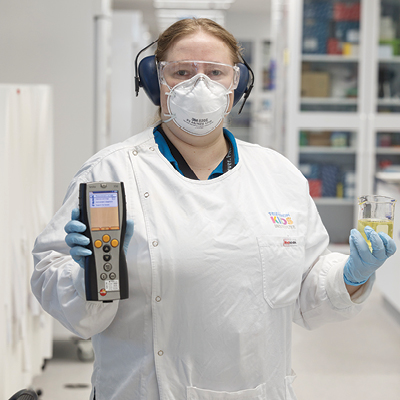
In a world being urged to embrace renewable options, biodiesel fuels are increasingly being touted as a greener, cleaner choice than traditional diesel.

Culturally secure intervention to facilitate medical follow up for Aboriginal children, after being hospitalised with chest infections, have proven to improve long-term lung health outcomes.

A public health campaign to raise awareness about the dangers of chronic wet cough in Aboriginal children is helping to improve detection, diagnosis and management of the condition.
Electronic cigarettes (e-cigarettes) lack regulatory status as therapeutic products in all jurisdictions worldwide. They are potentially unsafe consumer products, with significant evidence they pose a risk to human health. Therefore, developing rapid, economical test methods to assess the chemical composition of e-liquids in heated and unheated forms and the aerosols produced by e-cigarettes is crucial.
Many survivors of preterm birth will have abnormal lung development, reduced peak lung function and, potentially, an increased rate of physiological lung function decline, each of which places them at increased risk of chronic obstructive pulmonary disease across the lifespan.
Accumulating evidence indicates that an early, robust type 1 interferon (IFN) response to SARS-CoV-2 is important in determining COVID-19 outcomes, with an inadequate IFN response associated with disease severity. Our objective was to examine the prophylactic potential of IFN administration to limit viral transmission.
Evidence suggests the involvement of the microbiota, including oral, intra-tumoral and gut, in pancreatic cancer progression and response to therapy. The gut microbiota modulates the bile acid pool and is associated with maintaining host physiology. Studies have shown that the bile acid/gut microbiota axis is dysregulated in pancreatic cancer.
Two lytic double-stranded DNA (dsDNA) bacteriophages, belonging to the family Herelleviridae, were isolated from wastewater in Western Australia. Biyabeda-mokiny 2 appears to belong to the genus Kayvirus, and Koomba-kaat 1 to Silviavirus.
Laboratory models provide an important tool in helping to understand the cellular and molecular drivers of respiratory disease. Many animal models exist that model the neonatal outcomes of preterm birth.