
Whilst gastrostomy insertion was associated with lower survival rates than children without gastrostomy, survival improved with time
There is an urgent need to develop high-quality falls prevention services for older adults with intellectual disability
For mothers with intellectual disability, modifiable risk factors for adverse outcomes need addressing
Gastrostomy was associated with health benefits including reduced all-cause and epilepsy hospitalizations, but was not protective against acute LRTI
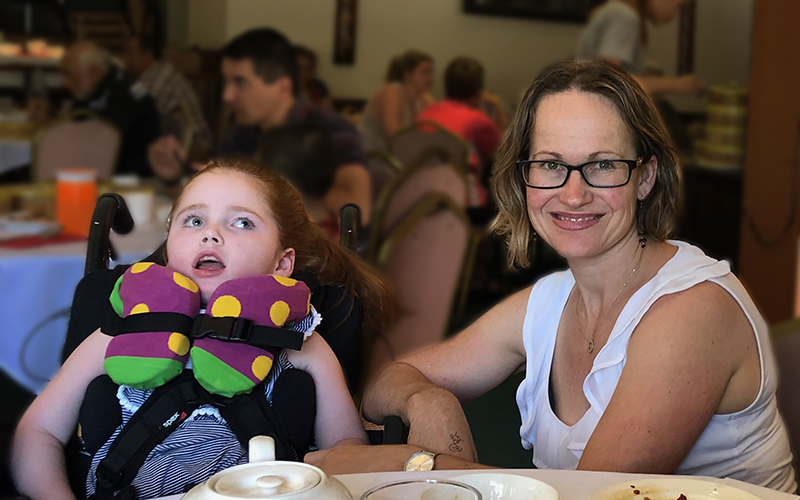
Children with intellectual disability who underwent gastrostomy – a feeding tube placed into the stomach – had better overall health and fewer hospit…
People with intellectual disability fall at a younger age compared with the broader community
The IDEA system is a valuable resource to address the needs of people living with intellectual disability
Gastrostomy is increasingly used in multiple neurological conditions associated with intellectual disability, with no apparent accessibility barriers
Synthesized findings demonstrate that people with intellectual disability, who live in community or residential settings, may fall more frequently, a…
This review provides the first comprehensive overview of the potential role for cannabis based preparations in the treatment of CDKL5 Deficiency Diso…