
Infant acute lymphoblastic leukemia (ALL) is characterized by a high incidence of KMT2A gene rearrangements and poor outcome. We evaluated the value…
DYRK1A is a serine/threonine kinase encoded on human chromosome 21 (HSA21) that has been implicated in several pathologies of Down syndrome (DS), inc…
Immune checkpoint therapy (ICT) results in durable responses in individuals with some cancers, but not all patients respond to treatment. ICT improve…
Natural killer (NK) cells play a significant and vital role in the first line of defense against infection through their ability to target cells with…
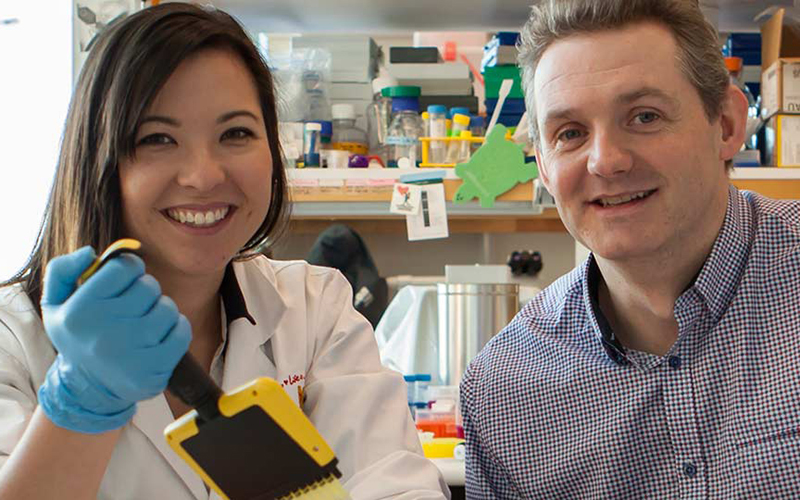
A new combination of drugs could help to increase survival rates with fewer side effects for some children with one of the most aggressive forms of c…
The bone marrow microenvironment (BMM) plays a key role in leukemia progression, but its molecular complexity in pre-B cell acute lymphoblastic leuke…
There is a strong unmet need to improve systemic therapy in mesothelioma. Chemotherapy with cisplatin and pemetrexed improves survival in malignant p…
Immunotherapies have revolutionized cancer treatment. In particular, immune checkpoint therapy (ICT) leads to durable responses in some patients with…
The Zero Childhood Cancer Program is a precision medicine program to benefit children with poor-outcome, rare, relapsed or refractory cancer. Using t…
Cancer cells display DNA hypermethylation at specific CpG islands in comparison to their normal healthy counterparts, but the mechanism that drives t…