
Ethan recently took part in Belong, a study led by The Kids which aims to ensure deaf and hard of hearing kids have a happy & positive school experie…
Dysfunction of T follicular-helper cells is a possible cause of impaired germinal centre and IgG antibody responses in individuals with HIV
We aimed to describe the distribution of RV species and associations between RV species and clinical features in children hospitalized with clinicall…
The production of functional antipneumococcal antibodies in otitisprone children demonstrates that they respond to the current pneumococcal conjugate…
We aimed to explore whether newborns in high-risk areas have pre-existing pneumococcal-specific cellular immune responses that effects early acquisit…
Early 7vPCV schedules have limited impact on pneumococcal vaccine type carriage in PNG
The PneuCarriage project, a large, international multi-centre study for the identification of the best pneumococcal serotyping methods for carriage s…
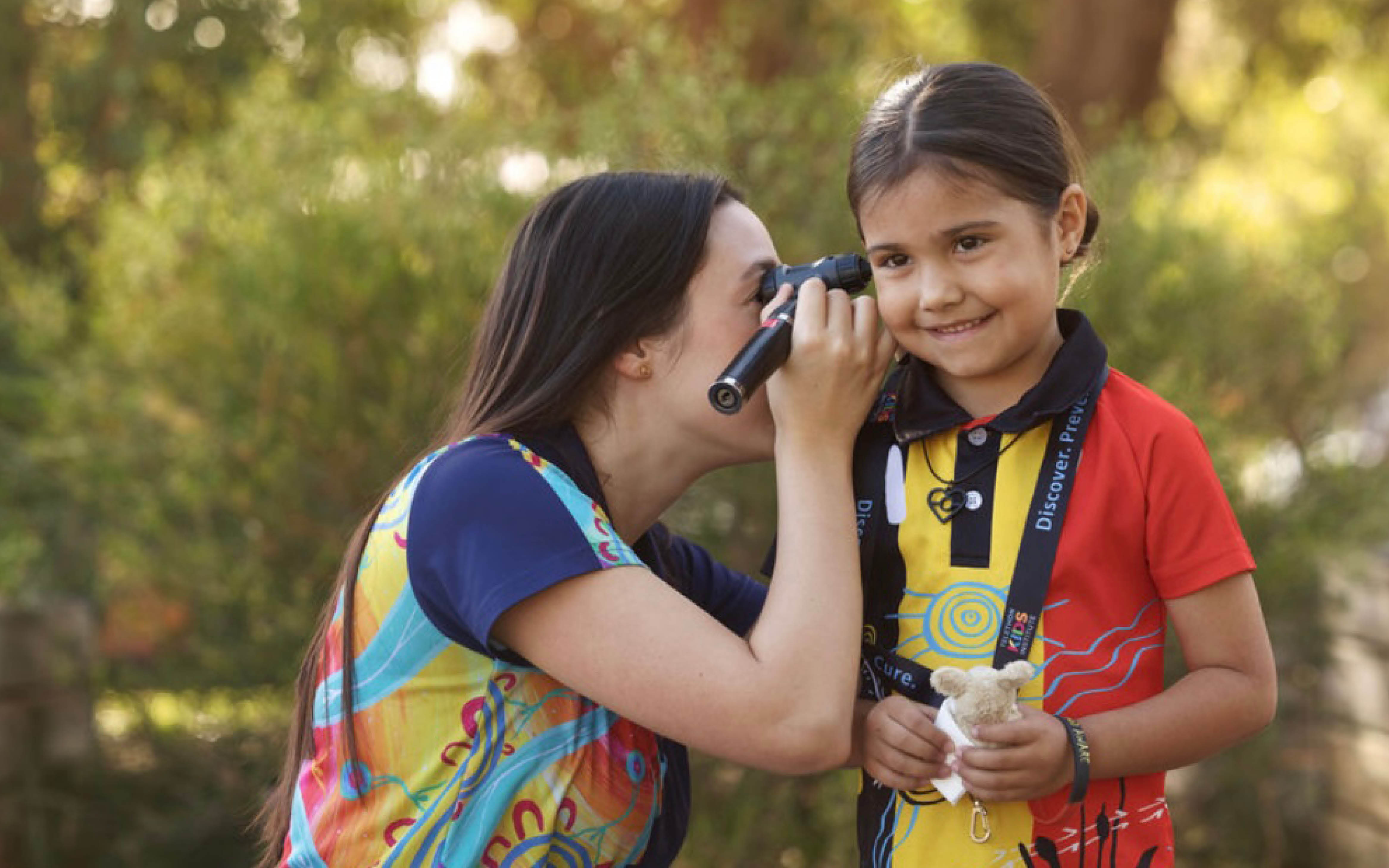
The Ear and Hearing Health team's vision is all children start primary school with good hearing.

Honorary Emeritus Fellow
Differences in pneumococcal serotypes, genotypes, and antimicrobial susceptibility between Aboriginal and non-Aboriginal children living in the same…