
Search
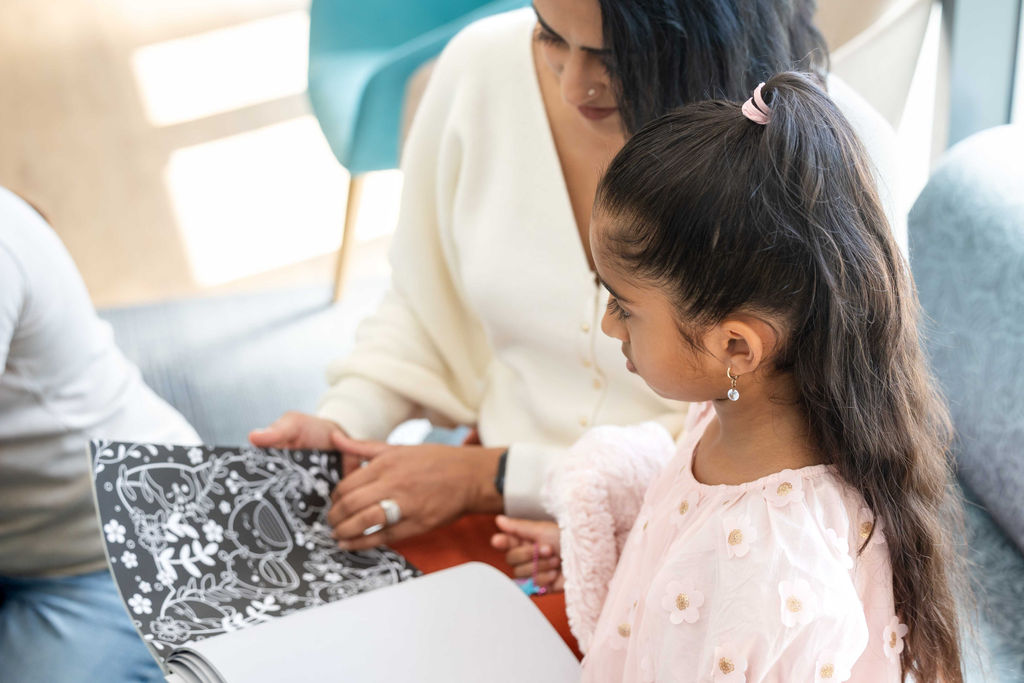
ORIGINS sub-projects are investigating the best way to provide support to new parents and positively influence the health and development of their children.
About 2 per cent of children are estimated to have an intellectual disability. The cause of the condition is unknown in at least 50 per cent of cases.
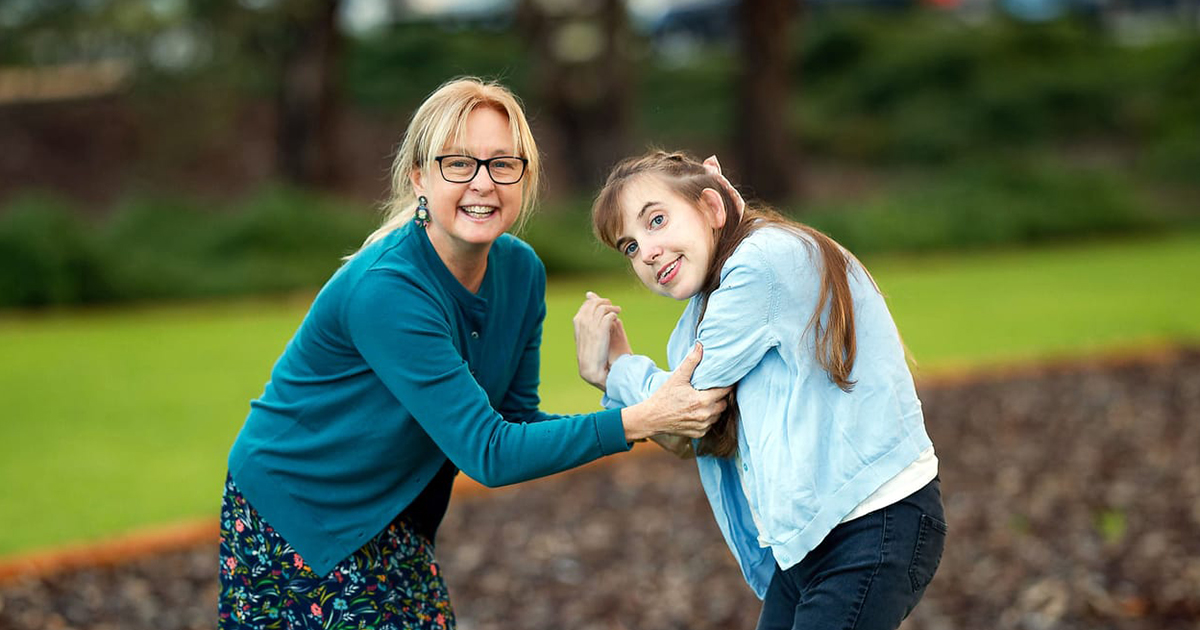
Today marks International Day of People with Disability (IDPwD), a United Nations initiative that encourages communities around the world to deepen their awareness, understanding and acceptance of people with disability.
Sibling profiles, including sibling status (only-child or sibling) and sibling characteristics (sibling size, birth order, and sex), can impact on lived experiences and social interactions, and operate as protective or risk factors for a wide range of health and well-being indicators and outcomes. Using population-based data linkage to disability-specific databases, sibling profiles were compared between families of children with and without neurodevelopmental conditions.

IDEA is one of the few population-based resources in the world dedicated to intellectual disability. The IDEA database contains information on all children born in Western Australia since 1983 who have been identified with having an intellectual disability. Individuals with autism spectrum disorder, both with and without intellectual disability, are also included in the database. Deidentified information is accessed from the Department of Communities WA, the WA Department of Education, and the National Disability Insurance Agency (NDIA) to create the database. IDEA can be linked to other datasets to facilitate research into the determinants, outcomes and service needs of children and adults with intellectual disability. Researchers can apply for such linked data, available in a de-identified format under approval from an ethics committee.