
Search
Despite universal access to government-funded direct-acting antivirals in 2016, the rate of hepatitis C treatment uptake in Australia has declined substantially. Most hepatitis C is related to injecting drug use; reducing the hepatitis C burden among people who inject drugs is, therefore, paramount to reach hepatitis C elimination targets.
The rising burden of mosquito-borne diseases in Europe extends beyond urban areas, encompassing rural and semi-urban regions near managed and natural wetlands evidenced by recent outbreaks of Usutu and West Nile viruses. While wetland management policies focus on biodiversity and ecosystem services, few studies explore the impact on mosquito vectors.
Difficulties in executive functioning (EF) can result in impulsivity, forgetfulness, and inattention. Children living in remote/regional communities are particularly at risk of impairment in these cognitive skills due to reduced educational engagement and poorer access to interventions. This vulnerability has been exacerbated by the COVID-19 pandemic and strategies are needed to mitigate long-term negative impacts on EF.
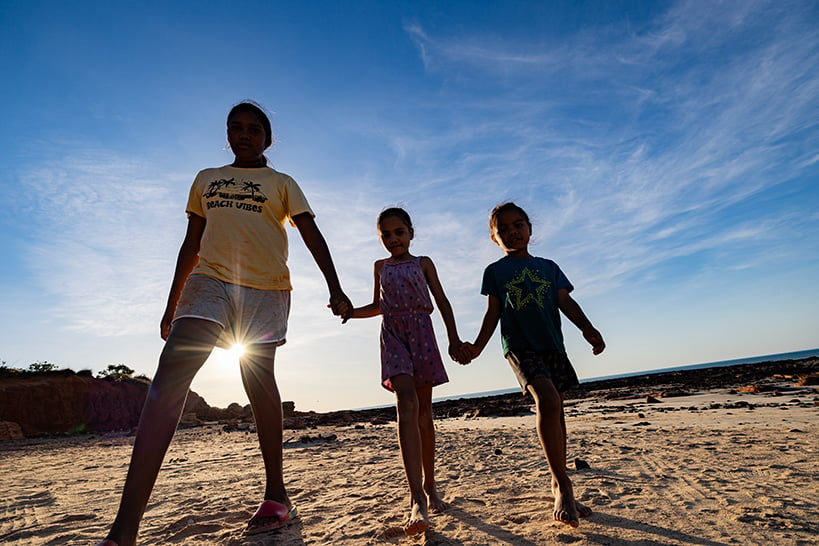
Aboriginal health is everyone's business. The needs of Aboriginal and Torres Strait Islander families and kids is integrated into all relevant areas of our work. Improving the health and wellbeing of Aboriginal and Torres Strait Islander kids and families is an overarching priority for every team at The Kids.
Data on Rift Valley fever virus (RVFV) prevalence in urban settings and pastoral areas of Tanzania are scarce. We performed a cross-sectional study of RVFV seroprevalence and determinants in humans and animals from Ilala, Rufiji, and Sengerema districts of Tanzania.
Respiratory syncytial virus (RSV) and influenza are important causes of disease in children and adults. In Australia, information on the burden of RSV in adults is particularly limited.
The Bacille-Calmette–Guerin (BCG) vaccination remains the primary strategy to prevent severe disseminated TB in young children, particularly in high TB-burden countries such as Ethiopia. Accurate knowledge of vaccination coverage in small geographical areas is critically important to developing targeted immunization campaigns. Thus, this study aimed to investigate the spatiotemporal distributions and ecological level determinants of BCG vaccination coverage in Ethiopia.
Multiple studies have shown an association between intussusception (IS) and receipt of monovalent or pentavalent rotavirus vaccine (RV) in the previous 21 days. Disease severity is an important consideration for risk-benefit evaluations of RV, but no studies have compared the severity of IS within 21 days of vaccination (vaccine-associated, VA) and later (not temporally-associated, VNA).
Respiratory syncytial virus (RSV) is the most common cause of acute lower respiratory infection in young children. We previously estimated that in 2015, 33·1 million episodes of RSV-associated acute lower respiratory infection occurred in children aged 0-60 months, resulting in a total of 118 200 deaths worldwide.
In view of the mounting death toll of COVID-19 worldwide and the complicating circumstances that commonly accompany such losses, we studied the grief experiences of 209 adult mourners who lost a loved one to coronavirus with a focus on self-blaming emotions and unresolved issues with the deceased.