
This study adds to the current literature by using a novel device-based method to explore where preschool children are physically active outside of h…

The Kids Research Institute Australia and The University of Western Australia researchers have been awarded more than $1 million in funding from Heal…
Adaptations for scale-up are ubiquitous but are rarely described in detail. Adaptations may be a key reason for the "scale-up penalty" which is when…
Regular physical activity and exercise are important for youth and essential components of a healthy lifestyle. For youth with type 1 diabetes, regul…
The incidence of mental illness is greatest among young adults, and those enrolled in higher education may be particularly vulnerable compared to the…
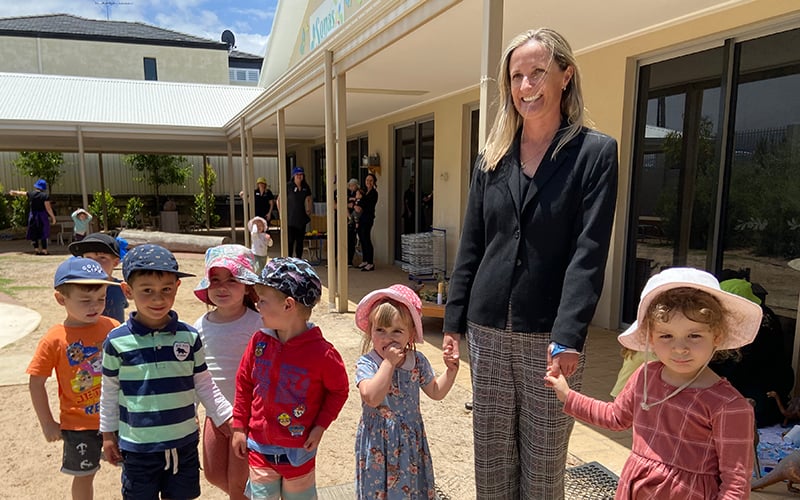
Childcare centres will be invited to help boost children’s physical activity levels by signing on to a new program which commits them to creating mor…
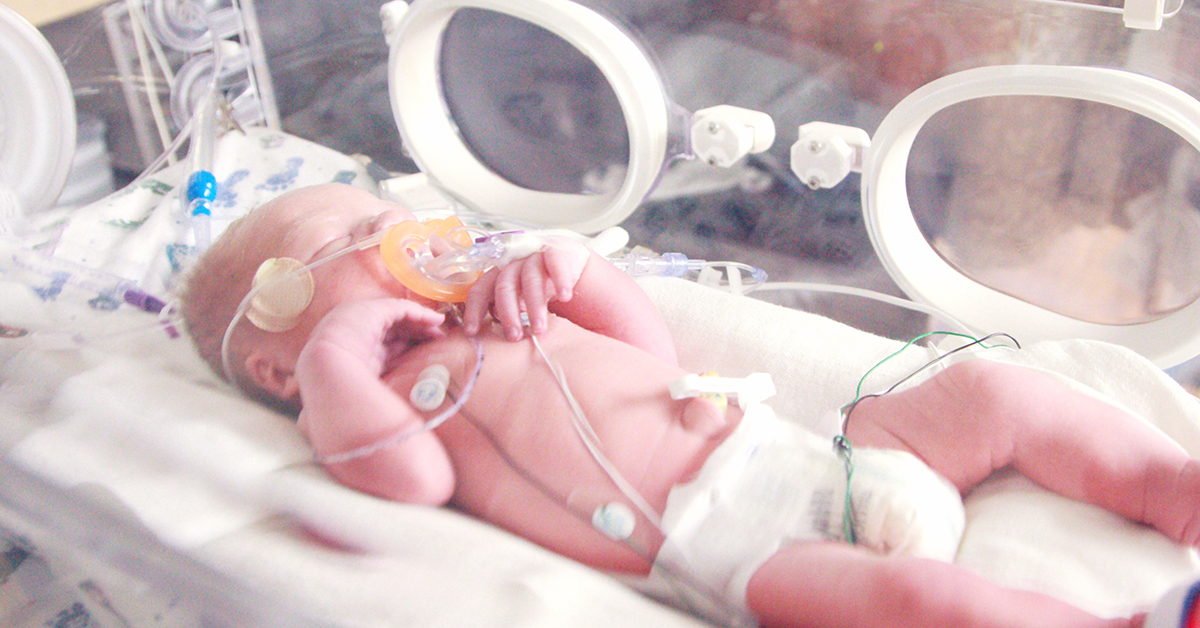
Parents of children born prematurely have expressed concerns about their child’s lung health when they exercise, with symptoms such as breathlessness.
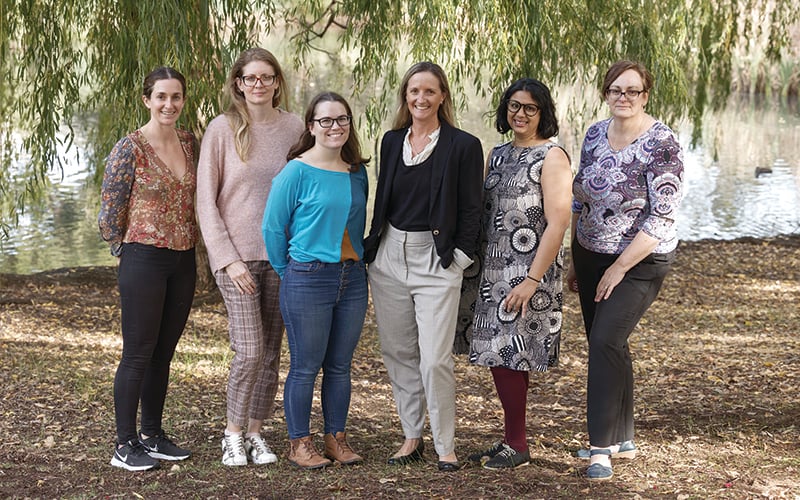
Childcare centres have flocked to take up a new evidence-based policy to help ensure young children get more of the physical activity they need to be…
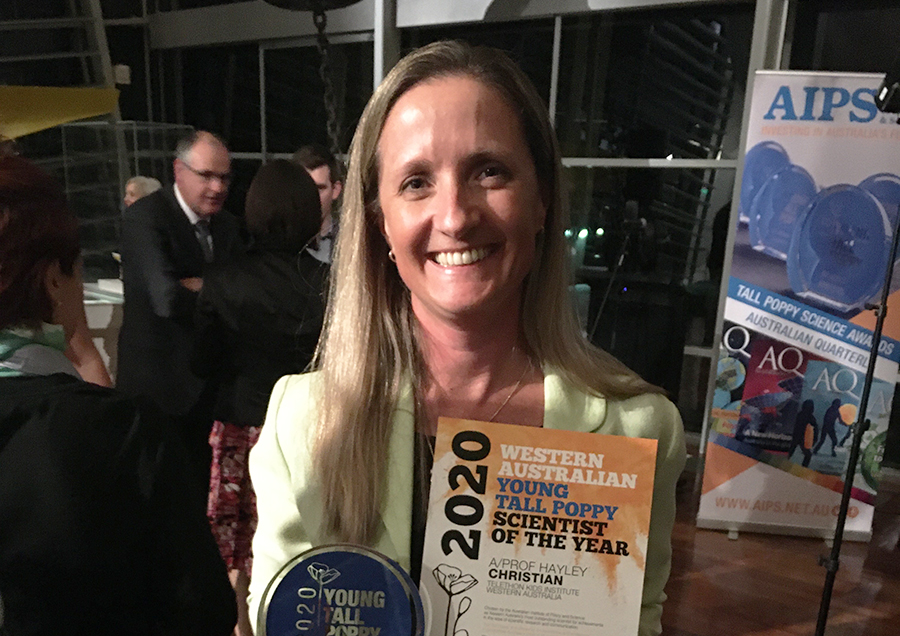
The Kids Research Institute Australia and University of Western Australia physical activity researcher Hayley Christian has been named Young Tall Pop…

A The Kids Research Institute Australia researcher focused on promoting more active childhoods to improve child health and wellbeing will be named am…